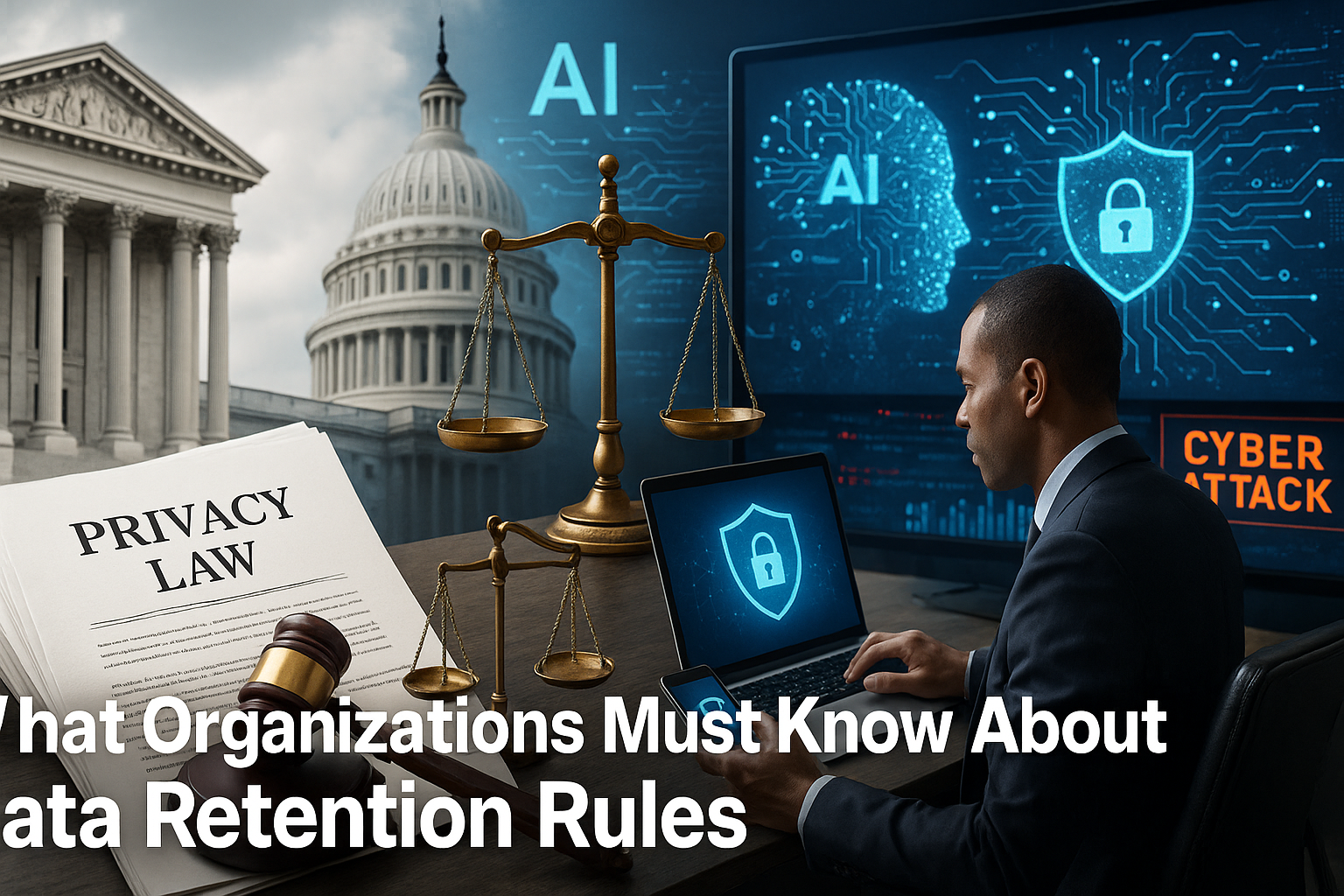

Understanding Data Retention Rules: A Critical Guide for Organizations
In today’s digital landscape, the management of data is more critical than ever. Organizations across industries are collecting vast amounts of customer information, making data retention policies an essential part of their operational framework. Data retention rules dictate how long organizations must keep personal and sensitive information, as well as the circumstances under which they can discard this data. Navigating these rules is not just crucial for compliance; it is also vital for maintaining trust, enhancing security, and minimizing risks.
The importance of understanding data retention rules goes beyond mere adherence to regulations. With the rapid evolution of technology, businesses are faced with an increasingly complex web of data laws and guidelines that govern how data is stored, managed, and protected. Missteps in data retention can lead to significant legal and financial repercussions, not to mention reputational damage. Consequently, organizations must prioritize their knowledge of data privacy laws and remain vigilant about compliance requirements to protect their business interests.
The Landscape of Data Retention Rules
Key Regulations Impacting Data Retention
Several key regulations shape data retention policies globally. Familiarizing yourself with these frameworks is essential for any organization dealing with consumer data:
- General Data Protection Regulation (GDPR): Implemented in the European Union, GDPR mandates that organizations can only retain personal data for as long as necessary for the purposes for which it was processed. This regulation also empowers individuals with rights over their data, including the right to request deletion.
- California Consumer Privacy Act (CCPA): This landmark legislation grants California residents rights regarding their personal information, including the right to know what data is being collected and why it is retained. Organizations must provide clear and transparent data retention policies to comply.
- Health Insurance Portability and Accountability Act (HIPAA): For healthcare organizations, HIPAA sets stringent rules on how long patient information should be retained and outlines the penalties for non-compliance.
- Federal Information Security Modernization Act (FISMA): This U.S. law pertains to federal agencies, providing guidelines on how long data should be stored and the procedures for disposing of sensitive information.
The Importance of Compliant Data Retention Practices
Compliance with data retention rules goes beyond avoiding penalties. A well-defined data retention policy ensures:
- Data Integrity: Ensuring that the data is accurate and up-to-date.
- Enhanced Security: Reducing the risk of data breaches by minimizing unnecessary stored data.
- Consumer Trust: Establishing transparency with customers regarding how their data is used and protected.
- Improved Operational Efficiency: Streamlining data management processes can enhance workplace productivity.
Practical Implications of Data Retention Rules
Challenges Organizations Face
Despite the clear importance of data retention rules, organizations frequently encounter challenges in their implementation:
- Lack of Awareness: Many businesses are unaware of the specifics surrounding data retention rules applicable to their industry, leading to unintentional non-compliance.
- Diverse Regulatory Landscapes: Multi-national companies must navigate various regulations across different jurisdictions, complicating their data governance approaches.
- Technology Strain: Existing data management systems might not support the rigorous data handling and retention requirements outlined by law.
Real-World Examples of Data Retention Failures
Companies that ignore data retention rules can face severe consequences. For instance, in 2021, a major U.S. bank faced substantial fines after failing to retain specific customer records as mandated by financial regulations. Such cases highlight the need for robust data retention practices.
Furthermore, a healthcare provider was penalized millions of dollars for retaining patient records past the legal retention period, resulting in unauthorized access and breaches. These instances serve as a reminder of the tangible risks associated with overlooking data retention policies.
Building a Robust Data Retention Policy
Steps to Create an Effective Data Retention Strategy
Organizations must take a structured approach to develop a data retention policy that aligns with legal requirements and business goals:
- Identify Data Types: Understand what types of data your organization collects, processes, and stores. This includes personal, sensitive, and regulatory data.
- Assess Legal Requirements: Review applicable laws governing data retention to determine how long specific types of data must be maintained.
- Define Retention Periods: Based on the legal requirements, establish clear retention periods for each data category. For data that is no longer needed, set procedures for secure disposal.
- Implement Data Management Policies: Ensure that staff are trained and aware of data retention practices, empowering them to work responsibly with stored data.
- Review and Update Regularly: As regulations change and new risks emerge, regularly reviewing and updating your data retention policy is essential for compliance.
Incorporating Technology for Data Retention
Technology plays a crucial role in ensuring compliance with data retention rules. Advanced data management systems can help organizations automate the tracking of data retention periods and ensure the timely deletion of unnecessary data. Data encryption, access controls, and secure data disposal solutions reduce risks associated with data retention.
The Future of Data Retention Rules
Emerging Trends and Developments
The landscape of data privacy and retention is continuously evolving, driven by changes in technology and regulatory frameworks. Some trends to watch include:
- Increased Regulatory Scrutiny: Governments worldwide are tightening data protection regulations, leading organizations to adapt more stringent compliance practices.
- Consumer Empowerment: An increasing number of consumers are becoming aware of their digital rights, leading businesses to prioritize transparency and consumer control over their data.
- Focus on Data Minimization: The “minimization” principle, which advocates for only collecting necessary data, is gaining traction as organizations look to align with privacy laws and reduce the load of data management.
Expert Perspectives on Data Retention
Industry experts emphasize that a proactive approach to data retention not only mitigates risks but also enhances business reputation. Organizations are encouraged to invest in ongoing training and technology to ensure compliance. “The landscape of data privacy is not going to stabilize anytime soon,” says privacy consultant Jane Doe. “Businesses must stay agile in their data governance strategies to keep up with evolving regulations.” This approach fosters resilience against potential breaches and ensures alignment with emerging best practices.
Resources for Staying Informed
Staying updated about data retention rules is vital. Here are several useful resources:
- Government Websites: Regularly check updates on regulations from government websites such as the U.S. Federal Trade Commission (FTC) and the European Data Protection Board (EDPB).
- Industry Associations: Organizations like the International Association of Privacy Professionals (IAPP) provide valuable insights and updates on data privacy laws.
- Webinars and Seminars: Attend sessions on data compliance hosted by legal experts and industry leaders to learn about recent developments and best practices.
Understanding and adhering to data retention rules is vital for any organization in today’s data-driven world. By prioritizing compliance and investing in robust data governance strategies, businesses can protect both their interests and the rights of consumers.