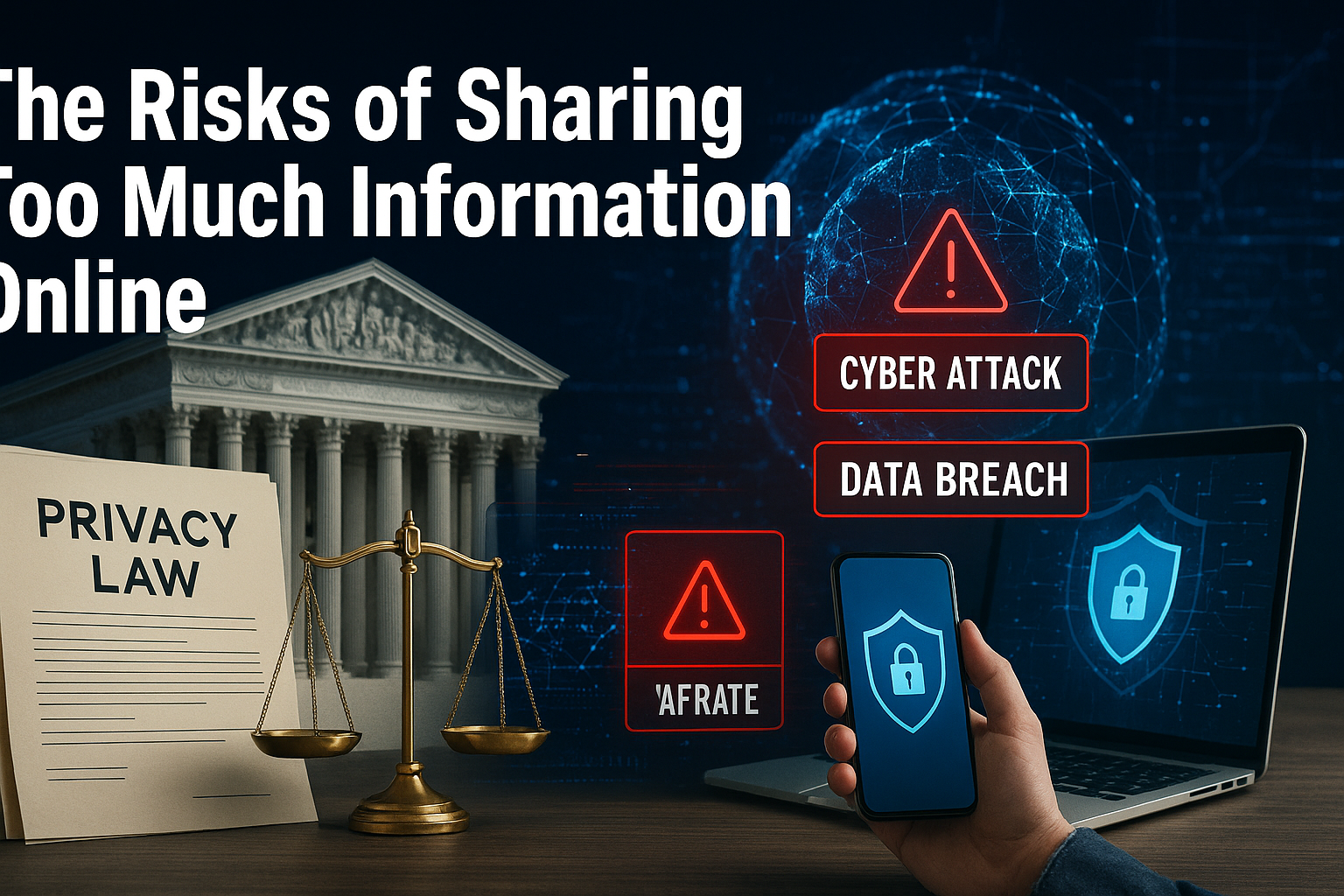

The Growing Concern of Online Privacy
In an era where the digital landscape dominates daily life, the concept of privacy has transformed dramatically. As individuals increasingly share personal details across social media platforms, websites, and online forums, concerns around data privacy and cybersecurity have surged. The question arises: Are we aware of the risks associated with oversharing information online? This article delves into the multifaceted nature of online information sharing and its potential threats, equipping readers with the knowledge to navigate their digital lives safely.
As of late 2023, more than 4.9 billion people worldwide are active internet users, reflecting an increase in digital engagement. However, this growing connectivity also brings heightened vulnerability. With data breaches and identity theft on the rise, understanding how to balance connectedness and privacy has never been more crucial. Lawmakers, businesses, and consumers must confront the implications of our information-sharing habits as they seek to safeguard privacy and enhance cybersecurity measures.
Understanding the Risks of Oversharing Online
Oversharing online can seem harmless, especially when it involves personal milestones, preferences, or day-to-day activities. However, the consequences of making such information public can be dire. From potential identity theft to loss of reputation, the risks are far-reaching. This section provides insight into the most significant threats posed by excessive online sharing.
Identity Theft and Fraudulent Activities
One of the most alarming risks of oversharing is identity theft. Cybercriminals often exploit personal information shared on social media platforms to impersonate individuals. Approximately 14 million Americans fell victim to identity theft in 2022 alone, a statistic that underscores the urgency for individuals to safeguard their data.
Common oversharing practices that can facilitate identity theft include:
- Posting personal information such as birthdays, addresses, and phone numbers.
- Sharing location information, which could indicate when a user is away from home.
- Using easy-to-guess passwords based on personal details openly available online.
Impact on Professional Life
In today’s competitive job market, sharing too much personal information can adversely affect career opportunities. Employers increasingly conduct social media background checks to gauge potential candidates. According to a 2023 survey, around 70% of employers have rejected applicants based on their social media profiles.
Inappropriate posts or oversharing about personal beliefs can lead to negative impressions. Furthermore, professionals may inadvertently expose sensitive company information, leading to potential breaches of confidentiality. It’s crucial for professionals to maintain a clear boundary between their personal and professional online personas.
Risks to Physical Safety
Oversharing can also compromise physical safety. Social media users frequently post about vacations or outings, inadvertently notifying potential intruders that their homes are unoccupied. Reports indicate a correlation between vacation posts and increased burglary rates.
While sharing life experiences is natural, it’s vital to consider the implications of broadcasting plans and locations. Practicing discretion can mitigate potential safety risks.
Data Privacy and Consumer Concerns
With the growing amount of data shared online, concerns surrounding consumer privacy have reached critical levels. In 2023, the average consumer was aware of how their data was collected and used, but many lacked understanding of their digital rights. This disconnect can result in a false sense of security.
Regulatory Developments in Data Privacy
Governments around the world are increasingly recognizing the need for robust data protection measures. Notable regulations such as the General Data Protection Regulation (GDPR) in Europe and the California Consumer Privacy Act (CCPA) are paving the way for enhanced consumer rights. These regulations empower individuals by granting them greater control over their data.
Key privacy rights outlined by these regulations include:
- The right to access personal data held by companies.
- The right to request deletion of data.
- The right to opt-out of data sales.
While these regulations serve to protect consumers, many individuals remain unaware of their rights, underscoring a critical gap in understanding digital rights.
Compliance Requirements for Businesses
Businesses must adhere to compliance requirements established by emerging data protection laws. Failing to comply can lead to substantial fines and damage to reputation. Recent data breaches involving companies like Facebook and Equifax exemplify the catastrophic consequences of inadequate compliance.
Organizations must invest in cybersecurity measures and data encryption protocols to protect consumer information effectively. Furthermore, employee training regarding data privacy and the implications of oversharing is essential in maintaining a secure environment.
Practical Strategies for Protecting Your Information
As the risks associated with oversharing grow, adopting practical strategies to safeguard personal information is essential. Here are several actionable steps to enhance online security and maintain privacy.
Be Mindful of What You Share
Evaluate the necessity of sharing personal information. Consider whether the information being shared is necessary for the context. If not, it’s best to withhold it, especially on public forums. Protecting sensitive details such as your full name, address, and phone number is crucial.
Utilize Privacy Settings
Social media platforms provide a variety of privacy settings. Make use of these tools to control who can see your posts and personal information. Regularly review privacy settings to ensure they align with your preferences.
Engage in Strong Authentication Practices
Utilizing robust passwords and two-factor authentication can drastically reduce the risk of unauthorized access to your accounts. Avoid using easily guessable passwords and regularly update them for added security.
Educate Yourself on Data Privacy Rights
Understanding your data privacy rights is vital in the digital age. Laboratories of user data in the digital landscape should be challenged. Arm yourself with knowledge regarding relevant laws and regulations, including GDPR and CCPA, to empower your decisions.
Expert Perspectives on Digital Privacy
Industry experts continually emphasize the importance of digital privacy education. Cybersecurity professionals advocate for a collective shift in the way individuals approach online sharing. “The new norm is to question the necessity of sharing information,” states a leading cybersecurity consultant. “As digital citizens, we bear the responsibility of protecting our data as much as organizations do.”
Furthermore, privacy advocates stress the importance of legislative action to enhance consumer protection. “While regulations are a step in the right direction, the onus is still on individuals to be vigilant about their privacy,” highlights a data privacy advocate. This sentiment reinforces the notion that awareness and caution are essential in self-protection.
Future Implications and Ongoing Discussions
The conversation surrounding data privacy and the implications of sharing information online will continue to evolve. Emerging technologies, including artificial intelligence and machine learning, may both enhance security measures and present new risks.
As businesses and technology develop, consumers must remain informed and cautious. Balancing the desire to connect with the need for privacy is an ongoing challenge that requires attention and proactive measures.
In summary, the risks of sharing too much information online are multifaceted and significant. With awareness of data privacy, cybersecurity practices, and regulatory developments, individuals can better navigate the complexities of the digital age while safeguarding their information. Empowering oneself with knowledge and taking proactive steps is the first line of defense against the threats lurking in the online world.