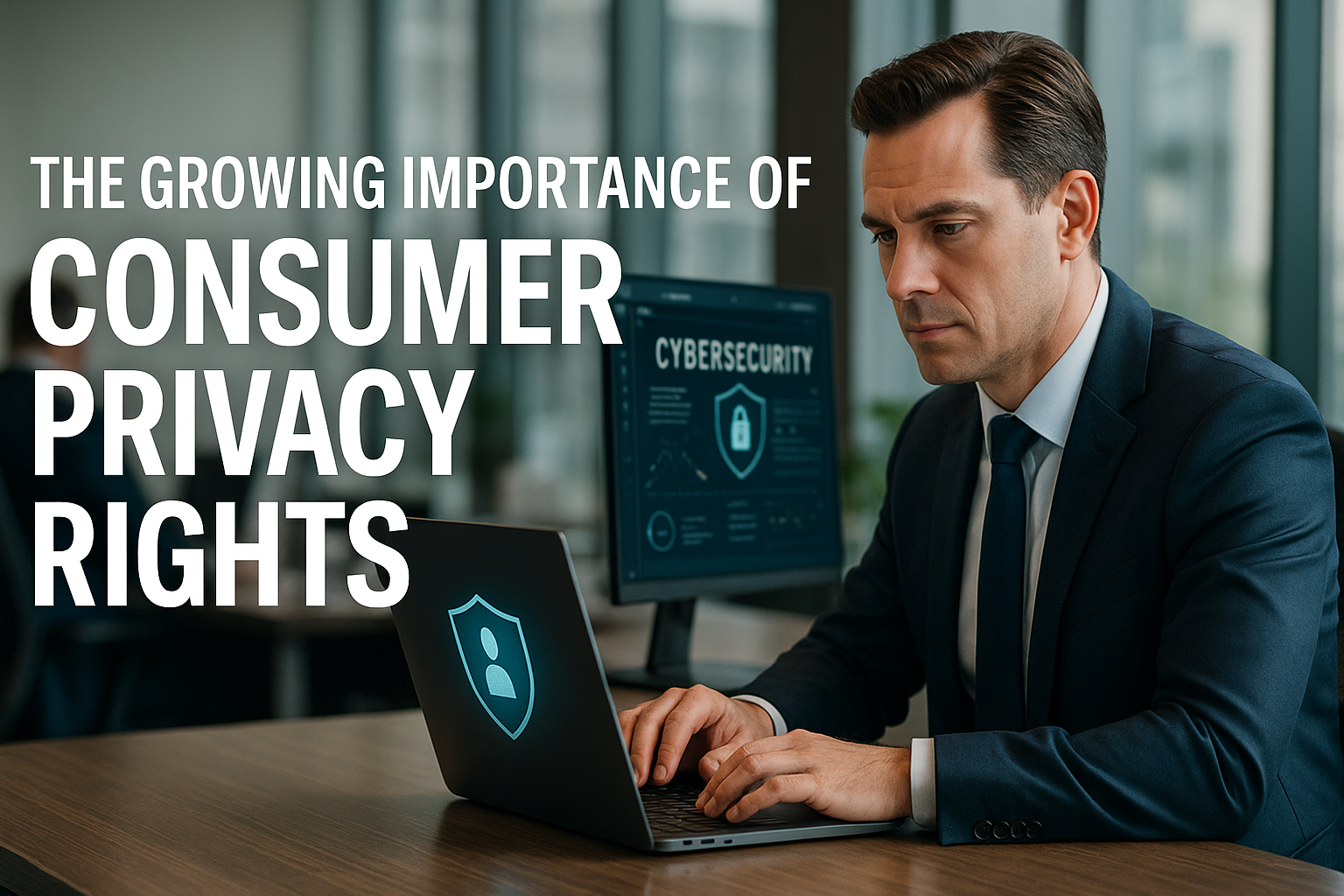

The Growing Importance of Consumer Privacy Rights
In an era marked by rapid technological advancements and increasing digital interconnectivity, consumer privacy rights have ascended to the forefront of public and regulatory discourse. With personal data being the new currency for businesses, safeguarding individual privacy has transitioned from a mere preference to a fundamental right. Companies are not only called to adapt to evolving privacy norms but also to prioritize consumers’ trust as they navigate through the complexities of data management.
As reports of data breaches and security lapses continue to dominate news cycles, consumers are more concerned than ever about how their personal information is collected, used, and shared. According to a survey by Pew Research Center, 79% of Americans are concerned about how their data is used by companies, highlighting the urgent need for robust consumer privacy protections. This article will explore the growing importance of consumer privacy rights, examining recent regulatory developments, compliance requirements, and the practical implications for businesses and consumers alike.
The Regulatory Landscape of Consumer Privacy
The demand for stronger consumer privacy rights has sparked a significant shift in regulatory frameworks worldwide. Governments are enacting laws that aim to protect consumer data and enhance individuals’ rights over their personal information.
The Influence of the GDPR
The General Data Protection Regulation (GDPR) enacted by the European Union in May 2018 has set a precedent for privacy laws globally. This framework has given consumers unprecedented control over their data, allowing them to access, correct, and delete their personal information held by companies. Moreover, the GDPR imposes hefty fines for non-compliance, illustrating that businesses can no longer afford to overlook data privacy.
Emerging Regulations Around the Globe
Following the GDPR, various regions have initiated similar frameworks. The California Consumer Privacy Act (CCPA), implemented in 2020, is one of the most significant privacy laws in the United States, granting California residents the right to know what personal data is being collected and shared. Other states like Virginia and Colorado are following suit with their privacy laws, indicating a robust trend toward regulation that prioritizes consumer privacy.
Countries like Brazil have also adopted their data protection laws in the form of the General Data Protection Law (LGPD), further emphasizing a global shift towards stronger privacy measures. This increasing regulatory landscape underscores the imperative for businesses to develop comprehensive compliance strategies tailored to the jurisdictions in which they operate.
Implications of Privacy Laws for Businesses
As privacy regulations proliferate, businesses face significant challenges and responsibilities in managing consumer data. The implications extend beyond legal compliance; they directly affect customer trust and brand reputation.
Building Consumer Trust
Transparency in how consumer data is handled is crucial for building trust. A recent study found that more than 85% of consumers would be more inclined to engage with a brand that is transparent about data usage. Companies that prioritize consumer privacy rights stand to gain a competitive advantage in attracting and retaining customers who are increasingly wary of data exploitation.
The Cost of Non-Compliance
The financial ramifications of non-compliance can be severe. Businesses found to be in violation of privacy regulations may face fines that amount to millions of dollars. For instance, British Airways was fined £20 million by the Information Commissioner’s Office in the UK after a data breach that affected over 400,000 customers. Such incidents not only incur direct financial costs but can also damage a firm’s credibility, leading to long-term consequences for profitability and market position.
Data Privacy Best Practices for Businesses
In light of these developments, businesses must embrace best practices in data privacy to ensure compliance and foster consumer confidence. Here are some recommended strategies:
- Conduct Regular Data Audits: Assess what data is being collected, how it’s stored, and who has access to it. Regular data audits will help identify vulnerabilities and ensure compliance with regulations.
- Implement Robust Data Security Measures: Utilize encryption, firewalls, and access controls to protect personal data from unauthorized access and breaches.
- Educate Employees: Train staff on data privacy policies and practices, emphasizing their role in protecting consumer information.
- Adopt a Privacy-First Culture: Make privacy a core value within the organization by establishing privacy frameworks that prioritize consumer rights.
The Role of Technology in Enhancing Privacy
As technology evolves, it offers new tools and solutions to enhance consumer privacy. From advanced encryption techniques to privacy-enhancing technologies such as differential privacy and blockchain, businesses can leverage innovative approaches to safeguard data.
Innovation in Data Protection
Artificial Intelligence (AI) and machine learning are increasingly being utilized to detect anomalies and potential data breaches in real-time. These technologies provide businesses with the agility to respond proactively to threats, minimizing potential impacts on consumer data.
Moreover, the rise of privacy-centric platforms and tools empowers consumers to take control of their own data. For instance, new browser extensions and applications allow users to easily manage their privacy settings and prevent unwanted tracking by advertisers.
The Consumer Perspective on Privacy Rights
Consumer sentiments toward privacy continue to shape the landscape of data protection. A growing number of consumers are actively seeking out companies that prioritize responsible data use. This evolving perspective creates an opportunity for businesses to differentiate themselves in crowded markets.
The Demand for Greater Control
Many individuals desire more control over their data. The concept of “data ownership” is gaining traction, with consumers demanding clearer options for opting out of data sharing and more accessible data portability. Companies that recognize and address these demands will foster deeper connections with their customers.
The Rise of Privacy-Focused Consumers
As public awareness around privacy issues increases, a segment of consumers is emerging that prioritizes privacy over convenance. This trend compels companies to re-assess their data practices and consider privacy as a critical component of customer experience.
Future Trends in Consumer Privacy Rights
The discourse surrounding consumer privacy rights is continually evolving. As technology advances, regulatory landscapes will also adapt, reflecting the growing recognition of digital rights. Here are some trends to watch for:
- Increased Legislative Actions: Expect more states and countries to adopt comprehensive privacy laws similar to the GDPR and CCPA, creating a patchwork of regulations that businesses must navigate.
- Heightened Enforcement: Regulatory bodies are likely to increase scrutiny and enforcement actions against non-compliant businesses, prompting organizations to adopt more vigilant privacy measures.
- Consumer Advocacy: Organizations and movements advocating for consumer privacy rights are likely to gain momentum, pushing companies to prioritize ethical data practices.
The growing importance of consumer privacy rights represents a significant shift in how businesses interact with their customers and manage data. As consumers become increasingly aware of their rights, organizations must focus on transparency, compliance, and innovation to navigate the complexities of data privacy. By prioritizing consumer privacy, businesses can not only safeguard their reputation but also cultivate loyalty in an era where trust is paramount.