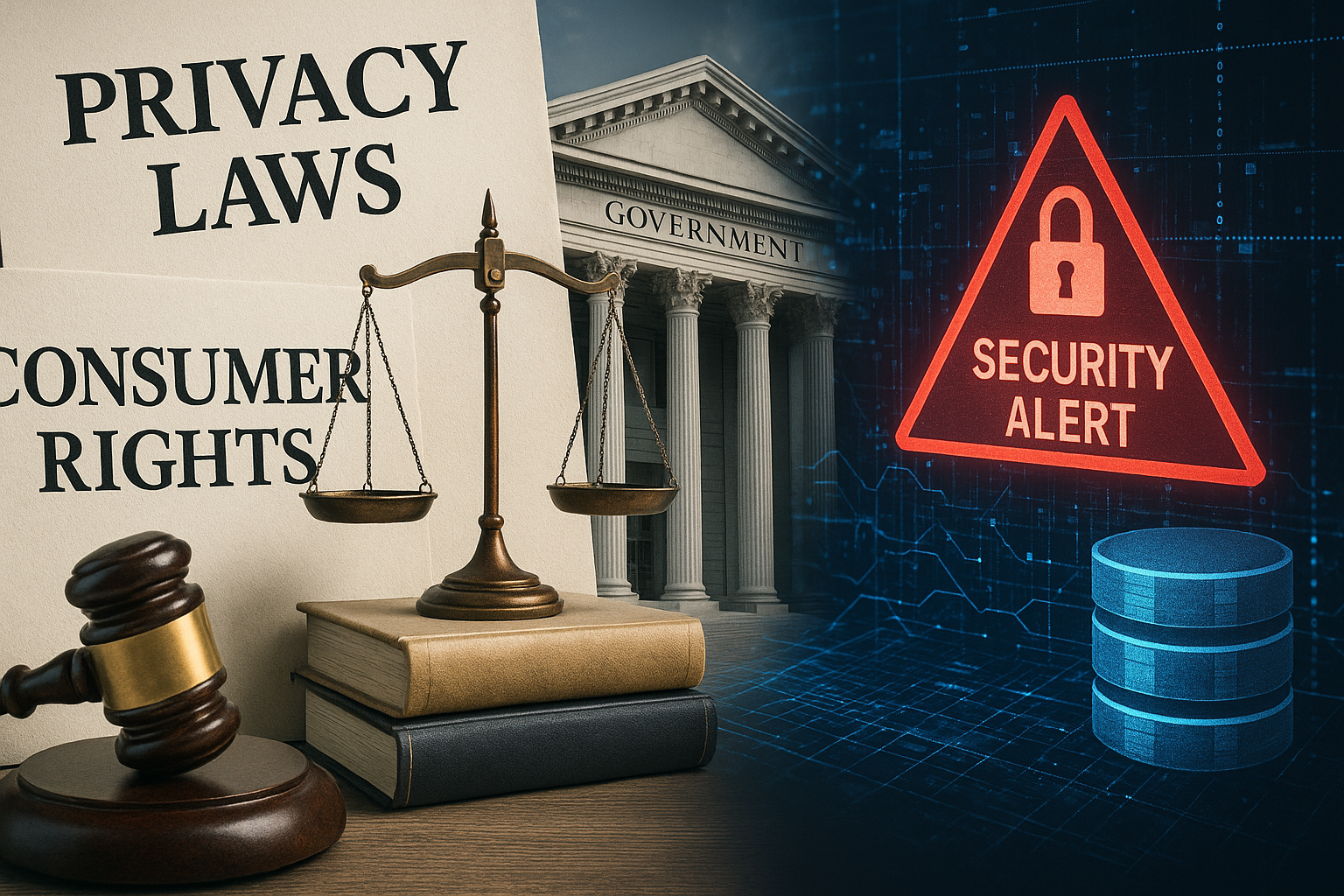

The Connection Between Consumer Rights and Cybersecurity
In our increasingly digital world, the intersection of consumer rights and cybersecurity has emerged as a critical area of focus for businesses, policymakers, and consumers alike. With reports of significant data breaches making headlines, consumers are becoming acutely aware of the risks associated with sharing their personal information online. This heightened awareness has fueled demand for stronger consumer rights, particularly in the realm of data privacy and security.
As industries evolve and develop new technologies, the implications for consumer rights and protections cannot be overlooked. Employing stringent cybersecurity measures is essential not just for safeguarding consumer data, but also for maintaining trust and credibility. Understanding the nuanced relationship between consumer rights and cybersecurity is vital for navigating today’s digital landscape.
The Regulatory Landscape: Navigating Consumer Rights and Cybersecurity
In recent years, significant regulatory developments have shaped the ways businesses approach consumer data protection. Laws such as the General Data Protection Regulation (GDPR) in Europe and the California Consumer Privacy Act (CCPA) in the United States set forth stringent guidelines regarding how organizations handle personal information.
Consumer Privacy Regulations
These regulations often include rights for consumers like the ability to access their personal data, request corrections, and opt out of data sales. Under the GDPR, non-compliance can result in fines up to 4% of a company’s global annual revenue. The CCPA similarly contains provisions that empower consumers to take control of their data, reinforcing the notion that consumer privacy is a fundamental right.
Compliance Requirements and Business Responsibility
For businesses, compliance with these regulations requires implementing robust cybersecurity measures. Organizations may need to invest in technologies such as encryption, data loss prevention (DLP), and intrusion detection systems to comply with legal obligations. Failure to protect consumer data can lead not only to regulatory penalties but also reputational harm that can be far-reaching.
The Role of Cybersecurity in Protecting Consumer Rights
Cybersecurity is more than just a technical consideration; it is a legal and ethical obligation that directly impacts consumer rights. Protecting sensitive data from breaches is essential for preserving consumer trust. A significant lapse can expose sensitive information, leading to identity theft, financial loss, and emotional distress for consumers.
Real-World Examples of Cybersecurity Failures
- Equifax Data Breach (2017): One of the largest data breaches in history, affecting approximately 147 million consumers. Equifax failed to apply a security patch, leading to unauthorized access to personal data.
- Target Data Breach (2013): Hackers gained access to over 40 million credit card numbers. The incident highlighted the importance of cybersecurity in protecting consumer financial data.
These incidents illustrate the tangible consequences of insufficient cybersecurity measures on consumer privacy. In this digital age, consumers expect businesses to protect their sensitive information proactively, reflecting their rights to privacy and security.
Building Trust Through Transparency
Another vital component of the connection between consumer rights and cybersecurity is the need for transparency. Organizations must clearly communicate their data handling practices to consumers. By being transparent about how data is collected, used, and protected, companies can empower consumers to make informed decisions regarding their personal information.
The Importance of Consumer Awareness and Education
Empowering consumers with knowledge about their rights related to data privacy and cybersecurity is crucial. Many consumers remain unaware of their rights or the security measures organizations should implement to protect their data. This gap in understanding can leave individuals vulnerable to exploitation and increase reliance on technology without proper safeguards.
Creating an Informed Consumer Base
Organizations can play a proactive role in raising awareness about consumer rights and cybersecurity. This can include:
- Providing clear information on data practices
- Offering educational resources regarding cybersecurity best practices
- Implementing feedback mechanisms to address consumer concerns about data privacy
Such initiatives not only satisfy compliance requirements but also foster a culture of awareness and vigilance, enhancing consumer confidence in digital environments.
The Future of Consumer Rights and Cybersecurity
As technology continues to evolve, the relationship between consumer rights and cybersecurity will likely grow in complexity. Emerging technologies like artificial intelligence (AI) and the Internet of Things (IoT) present new challenges for data protection. With the increasing integration of these technologies into everyday life, consumers must remain vigilant in their demand for enhanced digital rights.
Expert Perspectives on Emerging Risks
Experts in the field stress the importance of a proactive approach to incorporating consumer rights into cybersecurity frameworks. Kent M. Smith, a cybersecurity consultant, notes, “With the rise of smart devices and AI, companies need to approach data privacy as a foundational element of product design rather than an afterthought.” Companies must anticipate evolving threats and implement comprehensive strategies that prioritize consumer rights.
Implications for Businesses
The connection between consumer rights and cybersecurity has significant implications for businesses across various sectors. From financial services to e-commerce, organizations must prioritize securing consumer data and adhering to legal obligations to protect personal information.
Developing Comprehensive Cybersecurity Strategies
Organizations should consider the following practices to strengthen their cybersecurity frameworks while safeguarding consumer rights:
- Conduct Regular Security Audits: Routinely assess security systems and data handling practices to identify vulnerabilities and patch weaknesses.
- Implement Privacy by Design: Incorporate privacy considerations during the development of new products and services.
- Train Employees: Ensure staff are aware of cybersecurity best practices and the importance of protecting consumer data.
By adopting a proactive, consumer-centric approach, organizations can enhance their cybersecurity postures while upholding consumer rights and building lasting trust with their clientele.
The Digital Rights Movement
The evolving landscape of consumer rights and cybersecurity is also mirrored in the digital rights movement. Advocates are increasingly pushing for stronger legal frameworks that prioritize the rights of individuals in the digital sphere. The emphasis on digital rights underscores that personal data ownership, privacy, and security are fundamental rights in an online context.
Global Trends in Digital Rights Legislation
Countries worldwide are beginning to recognize the importance of digital rights and are implementing stricter regulations. The adoption of frameworks like the EU’s GDPR and the CCPA has spurred discussions in other regions regarding the need for similar protections. As transparency and consumer rights become more critical, governments around the world are considering legislation to ensure individuals have more control over their digital identities.
Engaging in Continued Dialogue
The connection between consumer rights and cybersecurity requires ongoing dialogue among stakeholders, including businesses, consumers, and regulators. As technology evolves, so must the approaches to cybersecurity and consumer protections. Engaging in collaborative discussions will be vital for shaping an environment that prioritizes data privacy and security while empowering consumers.
Taking Action for a Safer Digital Future
In this context, both businesses and consumers share a responsibility to foster a safe digital ecosystem. While organizations must prioritize robust cybersecurity measures, consumers should remain informed about their rights and actively engage with businesses to demand transparency and accountability.
As the digital landscape continues to evolve, so too must our approach to balancing consumer rights with effective cybersecurity practices. By prioritizing both areas, we can help ensure a safer and more equitable digital future for all.