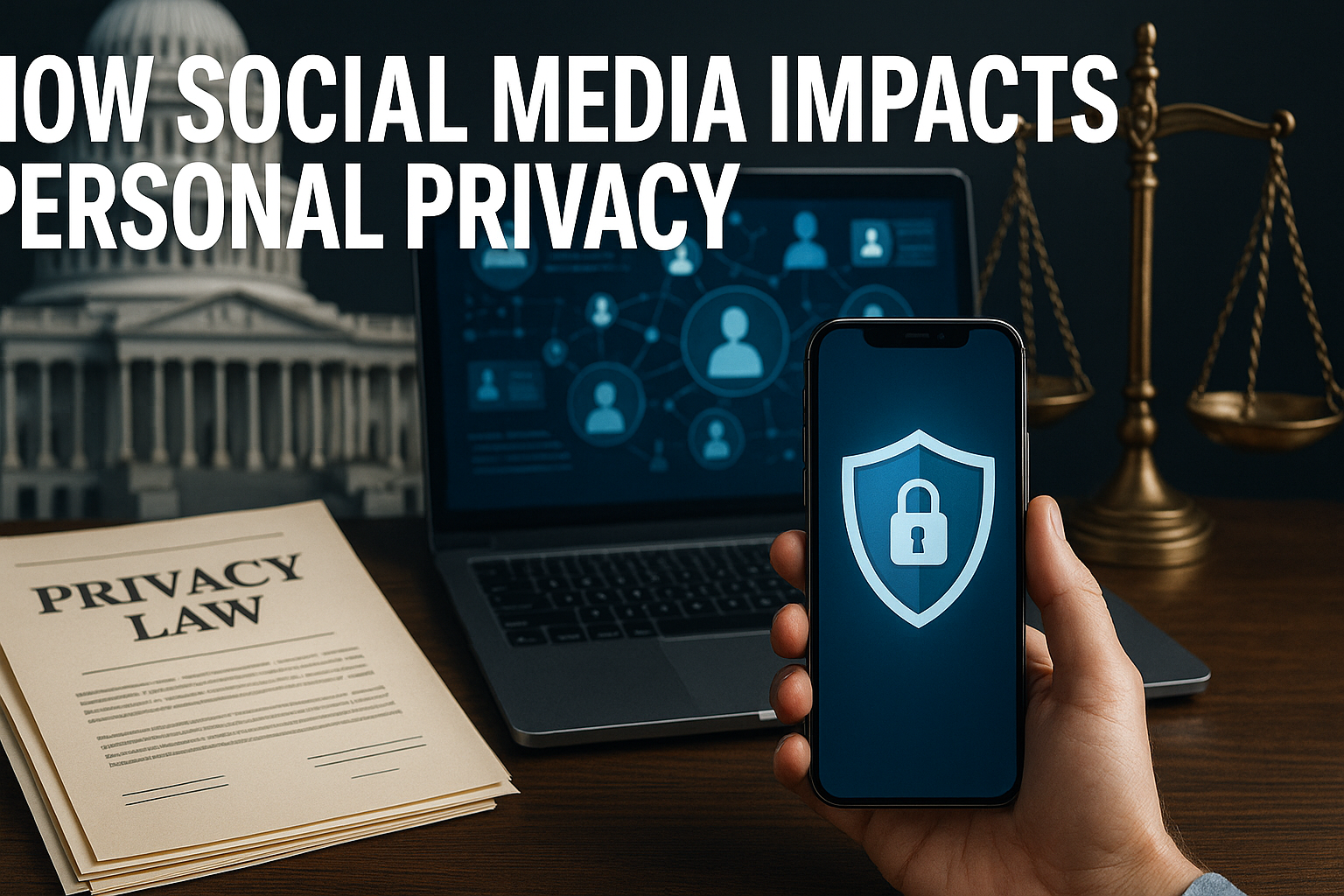

How Social Media Impacts Personal Privacy
In today’s digital age, social media platforms are integral to our daily lives, shaping how we communicate, share information, and interact with the world around us. However, these platforms also raise significant concerns about personal privacy. As users, we often underestimate the amount of personal information we willingly disclose, which can have far-reaching consequences for our privacy and security.
With billions of active users worldwide, social media companies have access to an astonishing amount of data. From our daily activities to our preferences, this information can be exploited for commercial gain or fall into the hands of malicious actors. The impact of social media on personal privacy is profound, making it essential for individuals and businesses alike to understand the dynamics at play.
The Data Landscape of Social Media
Social media platforms collect vast amounts of data to create personalized experiences for their users. This data includes personal information like names, birthdates, locations, and even preferences based on browsing behavior. According to a report by Statista, over 3.6 billion people globally are using social media, a number projected to increase to 4.41 billion by 2025. This extensive user base provides companies with an invaluable resource for targeted advertising and consumer insights.
Understanding Personal Data Collection
When users engage with social media networks, they often provide data that can be traced back to them. For example, liking a post, joining a group, or sharing a photo contributes to the digital footprint. This information allows platforms to build comprehensive profiles, which can be used for targeted marketing or sold to third parties. A 2021 survey by Pew Research Center revealed that 81% of Americans believe the potential risks of data collection by companies outweigh the benefits.
Risks to Personal Privacy
The continual track of user behavior poses several risks to personal privacy. Cybersecurity threats such as data breaches, identity theft, and phishing attacks have become increasingly common. In 2020 alone, over 37 billion records were exposed due to data breaches, with a significant portion attributable to social media hacks.
Data Breaches and Identity Theft
One of the most glaring risks is identity theft. When social media platforms are compromised, hackers can access user data and exploit it for fraudulent activities. For instance, Facebook faced a massive data breach in 2019, where hackers stole personal information from 540 million users. This instance highlights the vulnerabilities inherent in relying on social media for personal communication.
Targeted Advertising and Surveillance
Targeted advertising poses another privacy concern. Platforms utilize algorithms to analyze user behavior, leading to tailored ads that can feel intrusive. While this can enhance user experience, it also raises ethical questions about consumer consent and the extent to which user data can be used for commercial gain. A notable example is Cambridge Analytica, where data from millions of Facebook users was harvested without consent for political advertising, resulting in a significant backlash against social media companies.
Regulatory Developments in Data Privacy
As awareness of these privacy issues grows, governments worldwide have begun implementing regulations to protect data privacy. Laws like the General Data Protection Regulation (GDPR) in Europe set a precedent for data protection, requiring companies to obtain explicit consent before processing personal data. Similarly, the California Consumer Privacy Act (CCPA) empowers residents to control how their information is collected and used.
Compliance Requirements for Businesses
These regulatory frameworks impose strict compliance requirements on businesses operating online. Companies must establish processes to manage consumer data requests, maintain transparency in their data collection policies, and implement robust security measures. Failure to comply can result in hefty fines and damage to brand reputation.
Consumer Awareness and Empowerment
As consumers become more aware of their digital rights, they are increasingly demanding more control over their personal information. Reports indicate that 79% of consumers express concerns about how their data is used by companies. This trend pushes businesses to adopt more transparent practices and prioritize consumer trust in their operations.
Practices for Enhancing Personal Privacy on Social Media
Individuals can take actionable steps to enhance their privacy on social media as awareness increases. Here are some best practices to consider:
- Review Privacy Settings: Regularly check and update privacy settings on all social media accounts to control who can see your information.
- Avoid Oversharing: Think twice before sharing personal information such as location, workplace, or relationship status that can be exploited.
- Use Strong Passwords: Create unique, strong passwords for social media accounts and enable two-factor authentication where possible.
- Be Wary of Third-party Applications: Limit the use of apps that require access to your social media accounts, as they can pose additional risks.
- Educate Yourself: Stay informed about the latest cybersecurity threats and the implications of sharing personal information online.
The Role of Social Media Companies
Social media companies are under increasing pressure to enhance their privacy measures. The introduction of privacy features, user consent options, and transparency reports are steps in the right direction. Companies like Facebook and Twitter have begun implementing features to allow users to review privacy settings and access their data more easily. However, critics argue that these measures are often insufficient and fail to provide adequate protection against exploitation.
Corporate Responsibility and Ethical Considerations
With great power comes great responsibility. Companies must prioritize consumer privacy and adopt ethical data practices. This includes being transparent about data usage, investing in cybersecurity measures, and allowing consumers to opt out of data collection practices effortlessly. Maintaining user trust will be crucial for companies seeking to build long-term relationships with their customers.
The Future of Personal Privacy in the Age of Social Media
The intersection of social media and personal privacy is complex and ever-evolving. As technology advances, so does the potential for both innovation and exploitation. Consumers need to remain vigilant and informed about the implications of their online presence.
As regulatory measures continue to develop, organizations must adopt a proactive approach to data privacy. Ongoing dialogues among policymakers, industry leaders, and consumers can facilitate a safer online environment that balances personal privacy and the benefits of digital interaction.
Key Takeaways
The impact of social media on personal privacy cannot be overstated. The risks associated with data breaches, identity theft, and targeted advertising necessitate a more informed and proactive approach from both consumers and companies. By understanding the landscape of data privacy and complying with emerging regulations, businesses can build trust and provide secure online experiences for their users. Continuous education and awareness will empower individuals to protect their privacy in an increasingly interconnected digital world.