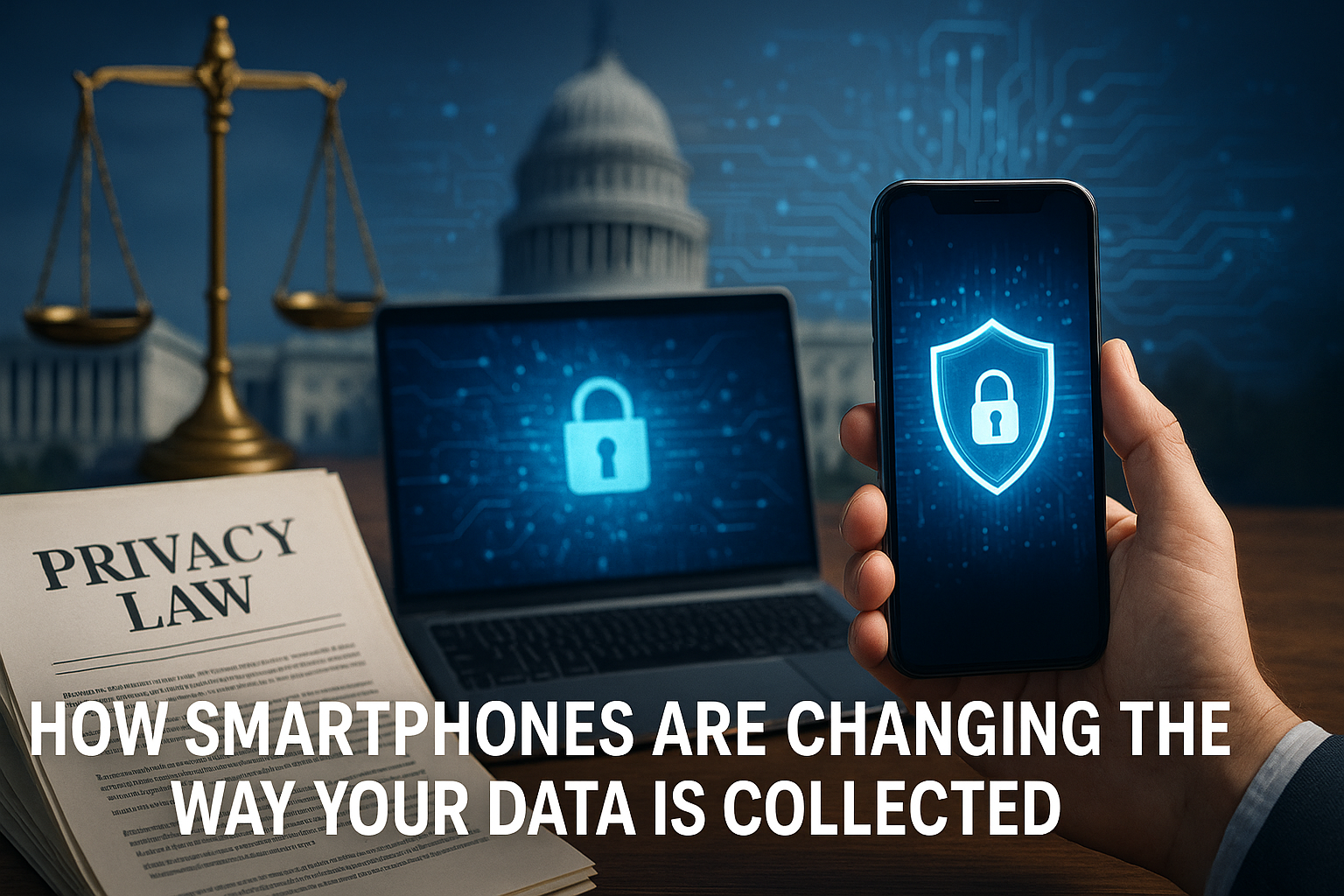

How Smartphones Are Changing the Way Your Data Is Collected
The rise of smartphones has radically transformed various aspects of daily life, from communication to entertainment and, most notably, data collection practices. In an age where personal information is a valuable currency, understanding how smartphones influence data collection becomes essential. With the average person spending over 4 hours a day on their mobile devices, the implications for data privacy, cybersecurity, and consumer rights are profound.
Smartphones serve as powerful tools that gather vast amounts of data, influencing everything from marketing strategies to public policy. The information collected—from location data to user preferences—is frequently used to shape algorithms and business models, often without users being fully aware of its extent. As regulatory frameworks evolve to keep pace with technological advancements, businesses must navigate the complex landscape of compliance and consumer expectations regarding digital rights.
Understanding Data Collection via Smartphones
What Data Is Collected?
Smartphones collect a diverse array of data points, including:
- Location Data: Smartphones often have GPS capabilities that track users’ whereabouts in real-time.
- User Behavior: Apps monitor how users interact, including time spent on applications, clicks, and purchases.
- Health and Activity Data: Wearable integrations allow for the collection of health metrics and physical activity data.
- Communication Data: Phone calls, messages, and even emails can be accessed depending on app permissions.
Methods of Data Collection
Data collection occurs through direct and indirect methods. Direct methods include explicit user consent via app permissions, where users allow apps to access specific data. Indirect methods involve data mining, where algorithms analyze user behavior and interactions to infer insights without explicit permission.
The Implications for Data Privacy
Consumer Awareness and Consent
As smartphones become ubiquitous, the onus is on consumers to remain vigilant about the data they share. Awareness campaigns are crucial in educating users about data privacy. Many users unknowingly grant access to sensitive information when they download apps without carefully reviewing privacy policies or permission requests.
For example, an app may request location access even if it primarily serves a purpose that doesn’t necessitate such data. Understanding these nuances is vital for consumers aiming to protect their privacy.
The Role of Regulatory Frameworks
The regulatory landscape surrounding data privacy is rapidly evolving. Laws like the General Data Protection Regulation (GDPR) in Europe and the California Consumer Privacy Act (CCPA) in the U.S. mandate clear guidelines on user consent and data usage. Businesses operating in these jurisdictions are required to adhere to stringent compliance standards, necessitating transparency in how consumer data is collected, stored, and used.
Cybersecurity Challenges
Risks Associated with Data Collection
While the convenience of smartphones has numerous benefits, it also presents significant cybersecurity risks. Data breaches, identity theft, and unauthorized access to personal information are prevalent concerns. In fact, a report by Cybersecurity Ventures estimated that cybercrime could cost the global economy $10.5 trillion annually by 2025, highlighting the critical need for enhanced cybersecurity measures.
Protecting Consumers and Businesses
For businesses, prioritizing cybersecurity is not just a regulatory requirement but also a competitive necessity. Establishing robust data protection protocols—such as encryption, multi-factor authentication, and regular security audits—can mitigate risks. Additionally, training staff to recognize potential security threats can further bolster an organization’s defenses against cyberattacks.
Emerging Trends and Technologies
Artificial Intelligence and Data Analysis
Artificial Intelligence (AI) plays a pivotal role in how data is processed and analyzed. Machine learning algorithms can sift through vast amounts of collected data to identify trends and predict consumer behavior. While this capability can enhance customer experience and optimize marketing strategies, it also raises ethical concerns regarding surveillance and data manipulation.
For instance, a retail app that uses AI to suggest products based on previous purchases could create profiles of users without their explicit consent, thereby infringing on their privacy rights.
Privacy-First Technologies
In response to growing concerns over data privacy, several companies are developing privacy-first technologies. Innovations like decentralized data storage and end-to-end encryption aim to empower consumers by giving them more control over their personal information.
Blockchain technology, for example, offers a transparent and tamper-proof way to store data, allowing users to manage their information without relying on centralized authorities. Such technologies are a step toward achieving a more equitable digital landscape.
Expert Perspectives on Data Collection Trends
Insights from Industry Leaders
Experts highlight the urgent need for businesses to adopt ethical data collection practices. As organizations recognize that consumer trust is paramount, many are shifting towards transparent data practices that prioritize user consent and privacy. This shift is reflected in recent customer surveys indicating that 88% of consumers want greater control over their personal data.
Furthermore, cybersecurity professionals emphasize that businesses must not only comply with existing regulations but also anticipate future laws. The proactive approach not only protects consumer rights but also positions companies as leaders in ethical data practices, enhancing their brand reputation.
The Future of Data Collection
Looking ahead, it is clear that smartphones will continue shaping data collection strategies. As technology evolves and consumer expectations change, businesses must remain agile in their data practices. Continuous dialogue between consumers, advocates, and regulators will be crucial in forging a path that respects individual privacy while harnessing the benefits of data analytics.
Practical Implications for Businesses
Strategies for Responsible Data Collection
Businesses can adopt several strategies to ensure responsible data collection:
- Update Privacy Policies: Regularly review and update privacy policies to reflect current practices and regulations.
- Implement Data Minimization: Collect only the data necessary for specific business purposes to reduce potential exposure.
- Enhance User Engagement: Foster open communication with users regarding data use and provide clear ways for them to manage their data preferences.
- Invest in Security: Allocate resources towards cybersecurity measures to safeguard collected data from breaches.
The Road Ahead for Data Privacy and Ethics
As smartphones continue to evolve, they will remain central instruments in data collection. The balance between leveraging consumer data for business growth and respecting individual privacy rights will shape the future landscape of digital interaction. Ongoing education, transparent practices, and robust regulatory frameworks will be critical in ensuring that this balance is achieved.
By prioritizing ethical data practices, businesses not only comply with regulations but also foster trust with consumers—an increasingly invaluable asset in the digital age.
In a world where data has become synonymous with power, the emphasis on privacy, ethical practices, and consumer consent will mark the next chapter in the smartphone evolution narrative.