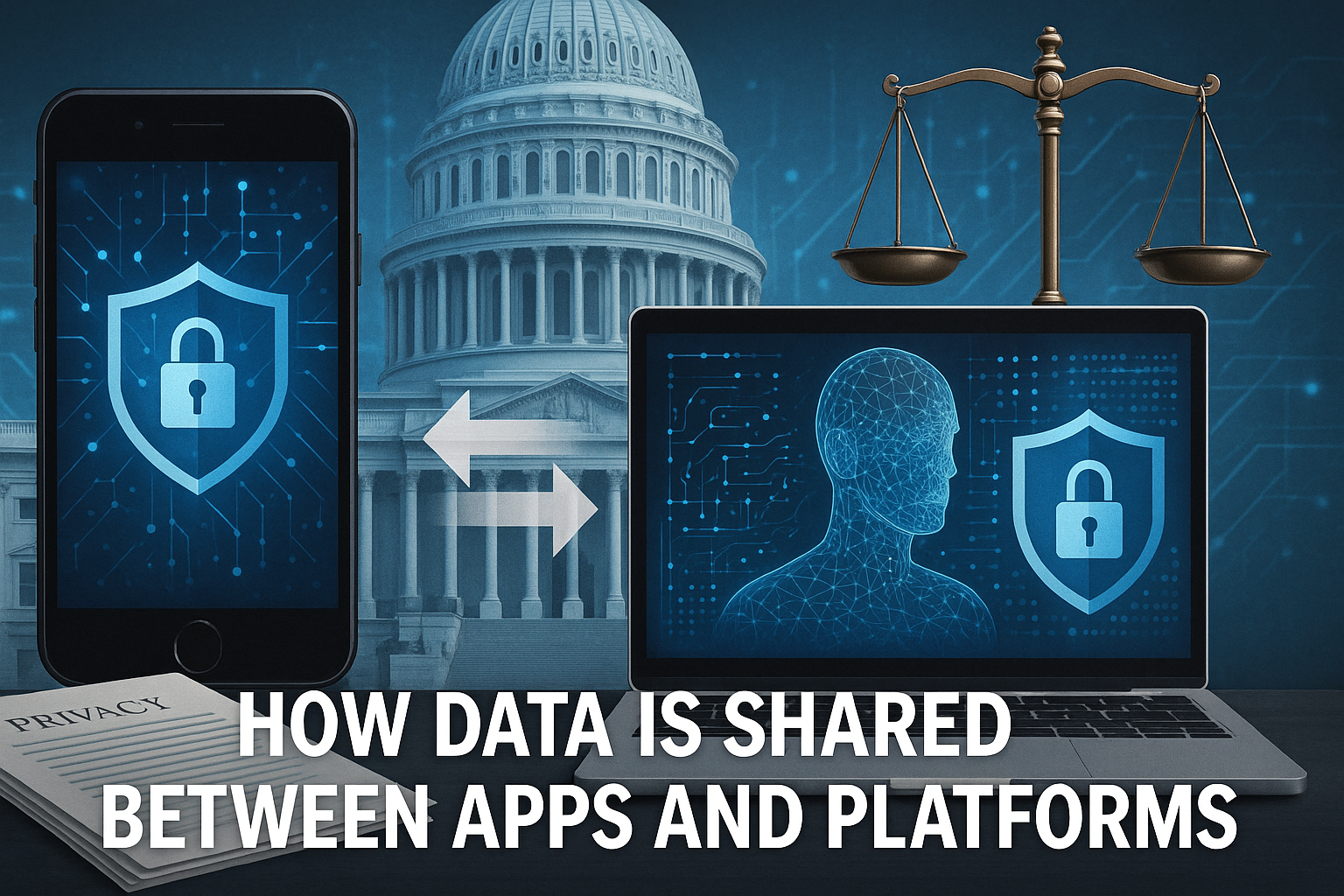

Understanding Data Sharing Between Apps and Platforms
In today’s digital age, data sharing between applications and platforms has become central to business strategies and the user experience. It fuels everything from personalized marketing to enhanced user interfaces, shaping how consumers interact with technology. As users increasingly demand these customized experiences, understanding how their data is collected and shared becomes crucial for both business professionals and everyday internet users.
However, this sharing of data also raises significant concerns related to data privacy, cybersecurity, and consumer rights. With growing regulations and emerging technologies, businesses must navigate a complex landscape of compliance requirements while maximizing the benefits of data integration. This article delves into the mechanics of data sharing, its implications for privacy and security, and how companies can responsibly manage this vital resource.
The Mechanics of Data Sharing
How Data Is Shared
Data sharing between applications and platforms typically occurs through application programming interfaces (APIs), web services, and data exchange protocols. These tools enable different software systems to communicate and share information seamlessly.
- APIs: APIs act as intermediaries that allow different software applications to interact. For example, when you use a social media login to access an online service, an API is used to authenticate your identity and share relevant information.
- Web Services: Web services, such as REST and SOAP, facilitate data exchange over the internet. They enable platforms to share data without requiring users to input information repetitively.
- Data Exchange Protocols: Standards like JSON and XML allow data to be formatted and shared efficiently between systems. These formats ensure compatibility, making it easier for applications to handle data from different sources.
The Role of User Consent
User consent is a fundamental component of data sharing. With laws like the General Data Protection Regulation (GDPR) and the California Consumer Privacy Act (CCPA), organizations must obtain explicit consent from users before collecting or sharing their data. This compliance not only protects users’ rights but also builds trust between businesses and consumers.
For instance, many applications now feature prompts asking users if they are willing to share their data with third-party partners for marketing purposes. Transparency around this process is crucial, as users are more likely to engage with brands they perceive as valuing their privacy.
Implications for Data Privacy and Cybersecurity
Risks Associated with Data Sharing
While data sharing can drive innovation and customer satisfaction, it also poses potential risks, especially concerning privacy and cybersecurity. Data breaches, unauthorized access, and misuse of personal information are serious threats that can jeopardize consumer trust and lead to legal repercussions for businesses.
- Data Breaches: High-profile data breaches, like those involving Equifax and Facebook, have illustrated the dangers of inadequate security measures. When personal data is exposed, it can lead to identity theft and financial losses for consumers.
- Unauthorized Access: When apps share data without proper safeguards, unauthorized entities might gain access. This risk highlights the importance of robust cybersecurity measures to protect user data during transmission.
- Data Misuse: Companies may use shared data in ways not disclosed to users. This can lead to unwanted marketing and the erosion of consumer trust.
Consumer Privacy Concerns
As the average consumer grows more conscious of their digital footprint, privacy concerns become paramount. A recent survey by Pew Research Center found that 81% of Americans feel they have little to no control over the data collected about them. This sentiment reflects a deep-seated unease regarding how data is shared and utilized.
For businesses, addressing consumer privacy concerns requires transparency and communication. Clearly articulating privacy policies and practices not only enhances customer relationships but also mitigates risks associated with non-compliance.
Regulatory Developments and Compliance Requirements
Key Regulations Shaping Data Sharing Practices
Several laws influence how businesses must approach data sharing, with some of the key regulations including:
- General Data Protection Regulation (GDPR): Enforced in the European Union, the GDPR mandates rigorous data protection measures. Organizations must obtain explicit consent for data processing, and consumers can request their data be deleted or transferred. Non-compliance can result in hefty fines.
- California Consumer Privacy Act (CCPA): The CCPA gives California residents rights over their personal data, including the right to know what data is collected and the ability to opt-out of data selling. Other states are watching closely, and similar laws may emerge across the U.S.
- Health Insurance Portability and Accountability Act (HIPAA): In the healthcare sector, HIPAA establishes protocols for handling sensitive health information, placing stringent restrictions on data sharing.
Compliance Strategies for Businesses
To navigate these regulations, businesses must adopt compliance strategies that emphasize data protection. Here are some practical approaches:
- Regular Audits: Conducting periodic audits of data practices can help ensure that companies adhere to relevant regulations and identify areas for improvement.
- Employee Training: Educating employees about data privacy regulations and best practices is vital. A well-informed workforce is better equipped to handle sensitive information responsibly.
- Privacy by Design: Integrating privacy considerations into the design phase of products and services helps create a culture of data protection from the outset.
Expert Perspectives on Data Sharing
Industry experts emphasize the importance of finding a balance between leveraging data for business growth and protecting consumer rights. As organizations embrace data sharing, they must prioritize ethical considerations and comply with evolving regulations.
“Data sharing can provide tremendous value, but companies must remember that the trust of the consumer is paramount. Transparent practices and robust security measures are essential as we navigate this digital landscape,” says Jane Doe, a cybersecurity expert and consultant.
Moreover, some experts argue that the future of data sharing lies in decentralized technologies like blockchain, which can improve transparency and security while putting users in control of their own data.
The Future of Data Sharing and Consumer Rights
As technology continues to evolve, data sharing practices will likely undergo significant changes. With advancements in artificial intelligence, machine learning, and decentralized technologies, businesses will have opportunities to create more secure and transparent data-sharing environments. However, these advancements must resonate with consumer values related to privacy and autonomy.
- Increased Consumer Control: Future frameworks may enable individuals to have greater control over their data, allowing them to manage what information is shared and with whom.
- Enhanced Transparency Mechanisms: Technologies that track data sharing in real time could empower consumers with knowledge about where and how their data is being used.
- Policy Adaptation: As data-sharing practices evolve, regulatory frameworks will need to keep pace, ensuring consumers are protected while supporting innovation.
While challenges remain, the trajectory toward responsible data sharing practices is clear. Businesses must continue to engage with consumers transparently, prioritizing their rights and privacy while embracing the potential of data-driven insights. By doing so, they can foster a safer digital environment where both businesses and users can thrive.