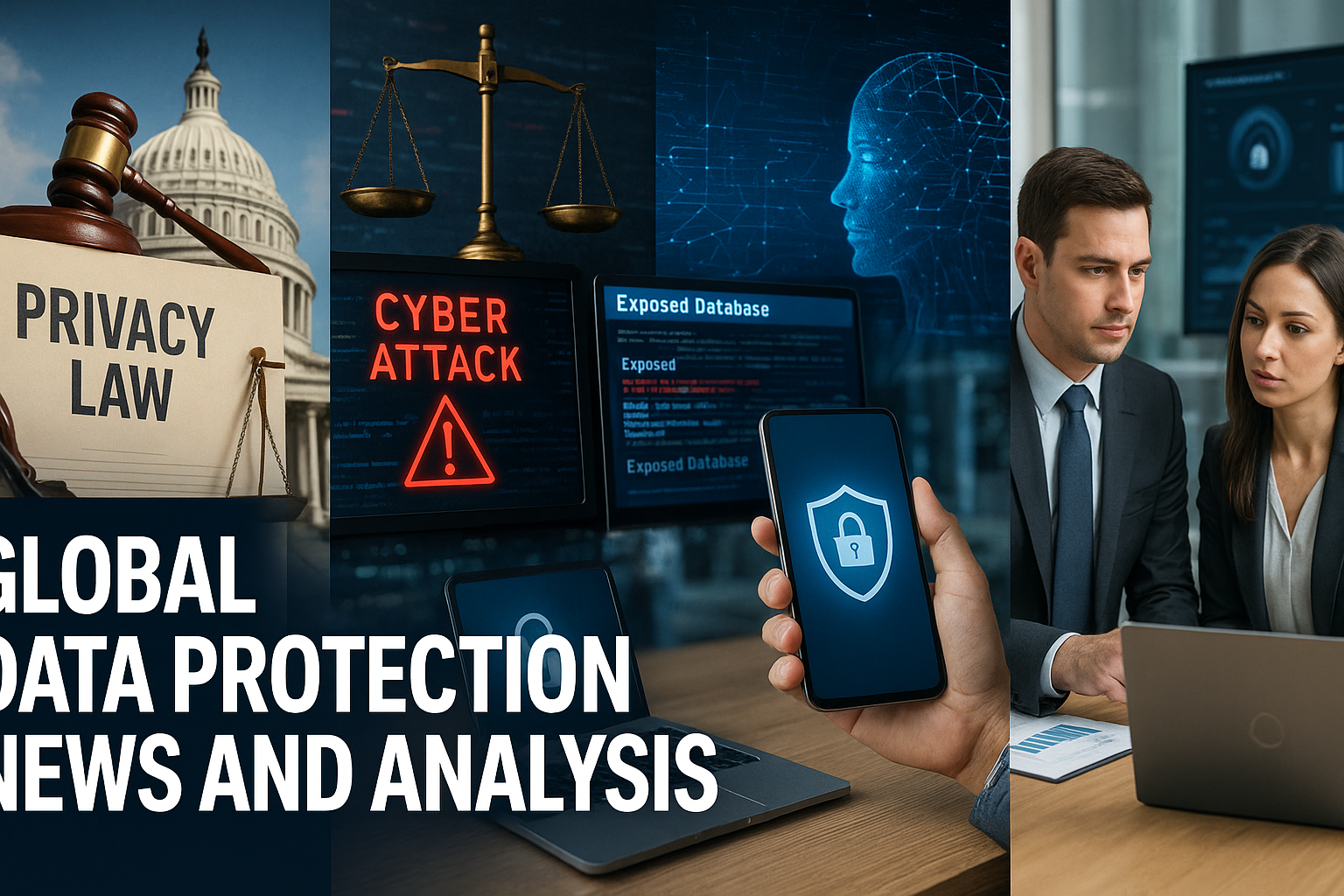

Global Data Protection News and Analysis: Safeguarding Privacy in a Digital World
In an era where digital transformation governs the landscape of business, the importance of data protection becomes paramount. With billions of bytes of data generated every second, organizations face mounting challenges in safeguarding sensitive information. The exponential rise in cyber threats, coupled with increasingly stringent regulations, underscores a pressing need for robust data privacy measures. In 2023, businesses around the globe are not only grappling with the technical aspects of cybersecurity but must also align their operations with evolving compliance mandates to protect consumer privacy and uphold digital rights.
Understanding the nuances of global data protection is essential for business professionals and everyday consumers alike. Regulatory frameworks such as the General Data Protection Regulation (GDPR) in Europe, the California Consumer Privacy Act (CCPA) in the United States, and comprehensive laws emerging in various countries reflect a trend toward prioritizing user consent and transparency. These regulations aim to empower individuals with greater control over their personal data while imposing stringent obligations on organizations processing such information. This article delves into the latest news, practical implications, and expert insights on global data protection, cybersecurity, and the evolving landscape of digital rights.
Recent Developments in Data Protection Regulations
Strengthening of GDPR Enforcement
The GDPR continues to set the standard for data protection worldwide. Recent enforcement actions, including hefty fines imposed on tech giants for compliance failures, signal a robust commitment by European regulators to uphold privacy rights. According to the European Data Protection Board, over €1 billion in fines were issued in 2022 alone, a trend that indicates heightened scrutiny for organizations handling personal data.
Businesses are advised to prioritize regulatory adherence by establishing data stewardship practices and ensuring comprehensive privacy policies. A key takeaway for organizations is that failure to comply with GDPR not only results in financial penalties but also damages brand reputation. For example, a major international company faced significant backlash and loss of customer trust after a data breach compromised user information. This reinforces the critical link between data protection and business continuity.
Emerging Consumer Privacy Laws Worldwide
The momentum for stronger consumer privacy laws is not limited to Europe. In the United States, states like California, Virginia, and Colorado are implementing their own regulations, promoting a patchwork of compliance requirements across the country. The CCPA, which took effect in January 2020, empowers consumers by allowing them to view, delete, and opt-out of the sale of their personal information.
Other countries are also stepping up their game. Brazil’s Lei Geral de Proteção de Dados (LGPD), which mirrors elements of GDPR, imposes stringent requirements on organizations regarding data processing and empowers consumers with control over their data. As these legal frameworks evolve, businesses operating globally must adapt their data privacy strategies to meet diverse regulatory landscapes.
The Risks of Non-Compliance
Financial and Legal Repercussions
The financial implications of non-compliance are staggering. Reports indicate that data breaches cost businesses an average of $4.24 million in 2021, a figure projected to increase as cyber threats evolve. Organizations may face regulatory fines, lawsuits, and reputational damage stemming from unauthorized data access or mishandling of personal information.
Legal repercussions extend beyond simple penalties. Class-action lawsuits related to data breaches have become a common phenomenon, with consumers seeking compensation for compromised privacy. For instance, a financial services company found itself embroiled in litigation after failing to secure customer data adequately, ultimately leading to settlements exceeding millions of dollars. Such scenarios highlight the essential nature of proactive compliance measures.
Reputational Damage and Market Position
The aftermath of a data breach often leads to significant reputational damage. Businesses perceived as neglectful of consumer privacy may experience a steep decline in customer trust. Research indicates that approximately 80% of consumers are less likely to engage with a brand following a data breach. This shift in consumer sentiment can lead to diminished sales, customer churn, and a loss of market share.
As consumers become increasingly aware of data privacy issues, businesses must shift from reactive measures to proactive strategies that build trust. Transparent data handling practices, clear communication, and demonstrated commitment to safeguarding consumer privacy can serve as competitive advantages in today’s digital marketplace.
Cybersecurity: A Crucial Component of Data Protection
The Rise of Cyber Threats
As organizations enhance their digital footprints, they simultaneously become more attractive targets for cybercriminals. Ransomware attacks, phishing schemes, and data breaches are at an all-time high, prompting businesses to reassess their cybersecurity measures. According to cybersecurity firm McAfee, ransomware attacks surged by over 150% in 2022, emphasizing the urgent need for enhanced protection strategies.
To mitigate these risks, businesses must conduct regular security assessments, train staff on cybersecurity best practices, and implement advanced technological solutions. A multi-layered security approach that includes firewalls, encryption, and intrusion detection systems can significantly reduce vulnerability. Additionally, developing an incident response plan ensures that organizations are prepared to respond swiftly if a breach occurs.
The Role of Employee Awareness and Training
Human error is a leading cause of data breaches, with poor employee practices contributing significantly to security vulnerabilities. Organizations need to prioritize employee training by fostering a culture of security awareness. Regular training sessions that educate employees about potential threats and safe data handling practices can act as the first line of defense.
For example, a global retail chain enhanced its security posture by implementing a comprehensive training program, significantly reducing phishing incident rates by 40%. Such initiatives demonstrate that informed employees can substantially bolster an organization’s data protection efforts.
Balancing Data Privacy and Innovation
The Challenge of Data-Driven Innovation
While the emphasis on data privacy is crucial, organizations must also navigate the challenge of leveraging data for innovation. Businesses often rely on data analytics to tailor products and services, improve customer experiences, and drive growth. However, this pursuit must not come at the expense of consumer privacy.
Organizations are encouraged to adopt a “privacy-by-design” approach, ensuring that data protection measures are integrated into their processes from the outset. This framework helps balance the need for innovation with the obligations of safeguarding consumer information. By using anonymization techniques, organizations can analyze data trends without compromising individual privacy.
Consumer Empowerment and Trust
Ultimately, consumer empowerment is critical in the data protection landscape. Companies that prioritize transparency and offer clear choices regarding data usage gain consumer trust. This trust can translate into loyalty, positive word-of-mouth marketing, and increased competitive advantage.
Engaging customers in conversations about their data and informing them of privacy practices enhances their overall experience and builds a sense of agency. Businesses that actively foster these relationships are well-positioned to succeed in a landscape increasingly defined by consumer awareness and demand for ethical data practices.
Expert Perspectives on the Future of Data Protection
Insights from Industry Leaders
Experts from the cybersecurity and privacy domains offer valuable perspectives on the future of data protection. “As technology continues to evolve, so too must our approaches to data security,” states Laura Bennett, a data protection officer at a leading tech firm. “Organizations must embrace agility in their compliance strategies while fostering a culture of ethics in data handling.”
Moreover, with the introduction of artificial intelligence and machine learning, experts predict that these technologies will enhance data protection capabilities. “AI can help identify patterns and detect potential threats before they escalate,” remarks Frank Zhou, a cybersecurity analyst. “However, this technology must be used responsibly to avoid infringing on privacy rights.”
Preparing for Future Trends
As global data protection continues to evolve, organizations must remain vigilant and adaptive to regulatory changes and cybersecurity threats. Staying informed about emerging laws, investing in technology solutions, and prioritizing data governance are essential to maintaining compliance and protecting consumer rights.
Informative Resources and Next Steps
For businesses seeking to enhance their data protection strategies, a variety of resources are available. Government agencies, such as the Federal Trade Commission (FTC) and the Information Commissioner’s Office (ICO), provide guidelines and tools for compliance. Industry associations and cybersecurity firms also offer training programs and consultation services to help organizations navigate the complexities of data protection.
As the digital landscape continues to evolve, understanding the interplay between data privacy, cybersecurity, and compliance will be crucial. By implementing proactive measures and fostering a culture of accountability, organizations can navigate the challenges of data protection and contribute to a safer digital environment for all users.