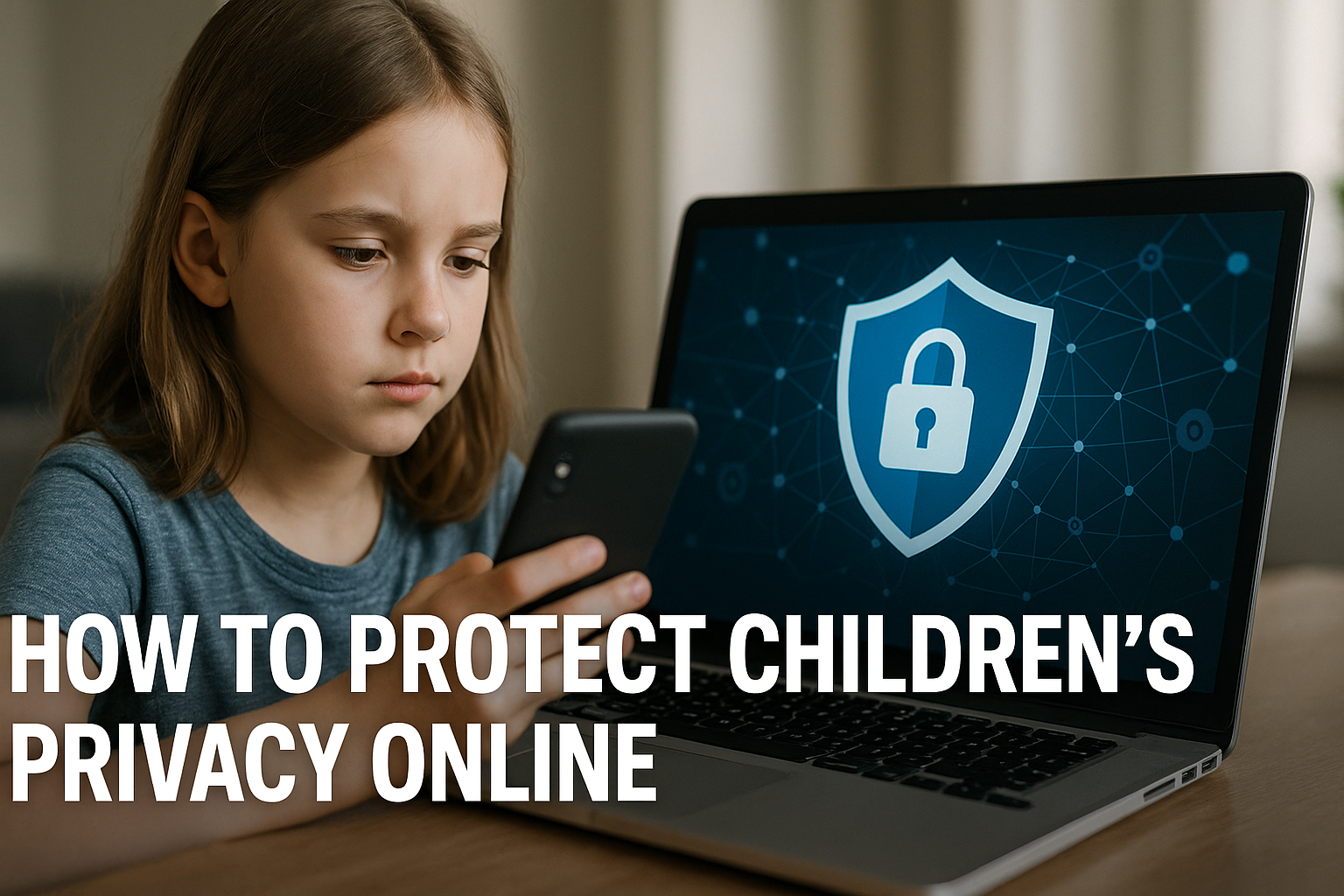

How to Protect Children’s Privacy Online
In today’s digital age, children are more connected than ever. From social media to video games and educational platforms, kids navigate an online landscape filled with opportunities and risks. While the internet can be a vast resource for learning and social interaction, it also exposes young users to various privacy threats. With personal data being a prized possession for many companies, ensuring children’s online privacy has never been more critical.
As parents and guardians, understanding how to protect children’s privacy online is paramount. This article explores essential strategies, emerging regulations, and expert insights to equip you with the knowledge needed to safeguard your child’s digital footprint. Implementing effective privacy measures not only shields kids from potential dangers but also empowers them to engage in the online world responsibly.
Understanding Children’s Online Privacy Risks
Before diving into protective measures, it’s important to comprehend the potential risks children face online. The internet is an open platform where sharing personal information can lead to serious repercussions. Here are some prevalent risks:
Data Exploitation
Children often unknowingly provide personal information on various online platforms, which can be collected and monetized by companies. According to a report by the Data Protection Commission, over 60% of apps targeting children collect personal data, which can be used for targeted advertising or sold to third parties. This exploitation extends beyond mere marketing; it can lead to identity theft or unwanted solicitations.
Cyberbullying
Cyberbullying has become an alarming phenomenon, with studies indicating that nearly one in five children experience bullying online. The anonymity the internet provides can embolden bullies, making it crucial for parents to monitor their child’s online interactions.
Inappropriate Content Exposure
Children are vulnerable to encountering inappropriate content, from violent imagery to explicit material. Implementing privacy settings without proper guidance may not suffice in blocking harmful content. Awareness and preventive measures are essential.
Strategies for Protecting Children’s Online Privacy
Being proactive about online privacy requires a multi-faceted approach involving education, tools, and open communication. Here are key strategies to implement in your family:
1. Educate Your Children
Teaching children about online privacy should start early. Discuss the types of personal information that are sensitive and should be kept private, such as their full name, address, and school details. Explain the importance of strong passwords and how to recognize suspicious links or messages.
2. Use Parental Control Tools
Parental control tools can help monitor and limit your child’s online activities. Many devices and software solutions offer features such as:
- Content filtering to block inappropriate sites.
- Screen time management.
- Monitoring online interactions to detect possible cyberbullying.
- Tracking location for safety purposes.
Choosing a reputable parental control solution can provide peace of mind while allowing children the freedom to explore valuable online resources.
3. Optimize Privacy Settings
Every online platform has privacy settings designed to protect user information. Regularly review and update these settings for your child’s accounts. For example:
- Set social media accounts to private, limiting exposure to strangers.
- Disable location sharing features.
- Limit who can see your child’s posts or profile information.
Regular discussions about these settings can empower children to take charge of their online presence.
4. Monitor Online Activity
Keep an open channel of communication regarding your child’s online activities. Consider establishing guidelines around device usage and agreeing on checking in periodically. Apps and software can help parents monitor activities discreetly.
5. Respect Their Privacy
While it’s crucial to monitor online behavior, it’s equally important to respect your child’s privacy. Encourage them to share their online experiences with you, fostering an environment of trust that motivates them to approach you with potential issues instead of hiding them.
Regulatory Frameworks and Compliance Requirements
Protecting children’s online privacy is not solely a parental responsibility; it has caught the attention of regulators worldwide. Prominent regulations include:
The Children’s Online Privacy Protection Act (COPPA)
In the United States, COPPA mandates that websites and online services targeting children under 13 must obtain parental consent before collecting personal information. This regulation empowers parents to control what data is collected and shared.
General Data Protection Regulation (GDPR)
The GDPR in the European Union provides strong protections for the personal data of individuals, including children. It requires explicit consent for data processing and gives parents the ability to request data deletion for their children under 16.
Understanding these regulations can help parents advocate for their child’s rights and urge companies to maintain better privacy practices.
Expert Perspectives on Emerging Trends
Industry experts emphasize the importance of being proactive rather than reactive when it comes to safeguarding children’s online privacy. As technology evolves, so do the tactics employed by cybercriminals. Experts recommend staying informed about developments in both technology and legal landscapes.
“Involving children in conversations about privacy empowers them to be responsible digital citizens,” says Dr. Linda Smith, a child development expert. “Creating a culture of transparency at home helps them understand the implications of their online actions.”
Furthermore, technology companies are rolling out features aimed at improving child safety. For example, some platforms have introduced parental dashboards allowing parents to monitor usage patterns and access safety tools easily. Staying informed about these updates enables parents to leverage them effectively.
Potential Future Challenges
The landscape of online privacy is continuously changing. Emerging technologies, such as artificial intelligence and the Internet of Things (IoT), present new challenges. Smart devices that children interact with often collect data without transparency regarding how that information is used.
It’s essential to remain vigilant about these developing technologies and understand their implications for children’s privacy. Industry shifts toward more stringent privacy regulations are also expected, potentially altering how companies collect and manage data.
Supporting Resources for Parents
Many organizations and websites offer tools and resources to help parents navigate the complexities of online privacy:
- Common Sense Media: Provides reviews of apps and games with an emphasis on privacy and safety.
- NetSmartz: Offers resources for teaching children about staying safe online, suitable for parents and educators.
- StaySafeOnline: A nonprofit organization with expert advice on protecting personal information online.
Utilizing these resources can further reinforce your efforts to protect your child’s digital life.
The importance of protecting children’s privacy online cannot be overstated. As digital interactions continue to expand, families must work collaboratively to create a safe and enjoyable online environment. Through education, the use of technological tools, and open dialogue, parents can navigate the digital landscape confidently, ensuring their children remain safe while exploring the vast opportunities the internet provides.