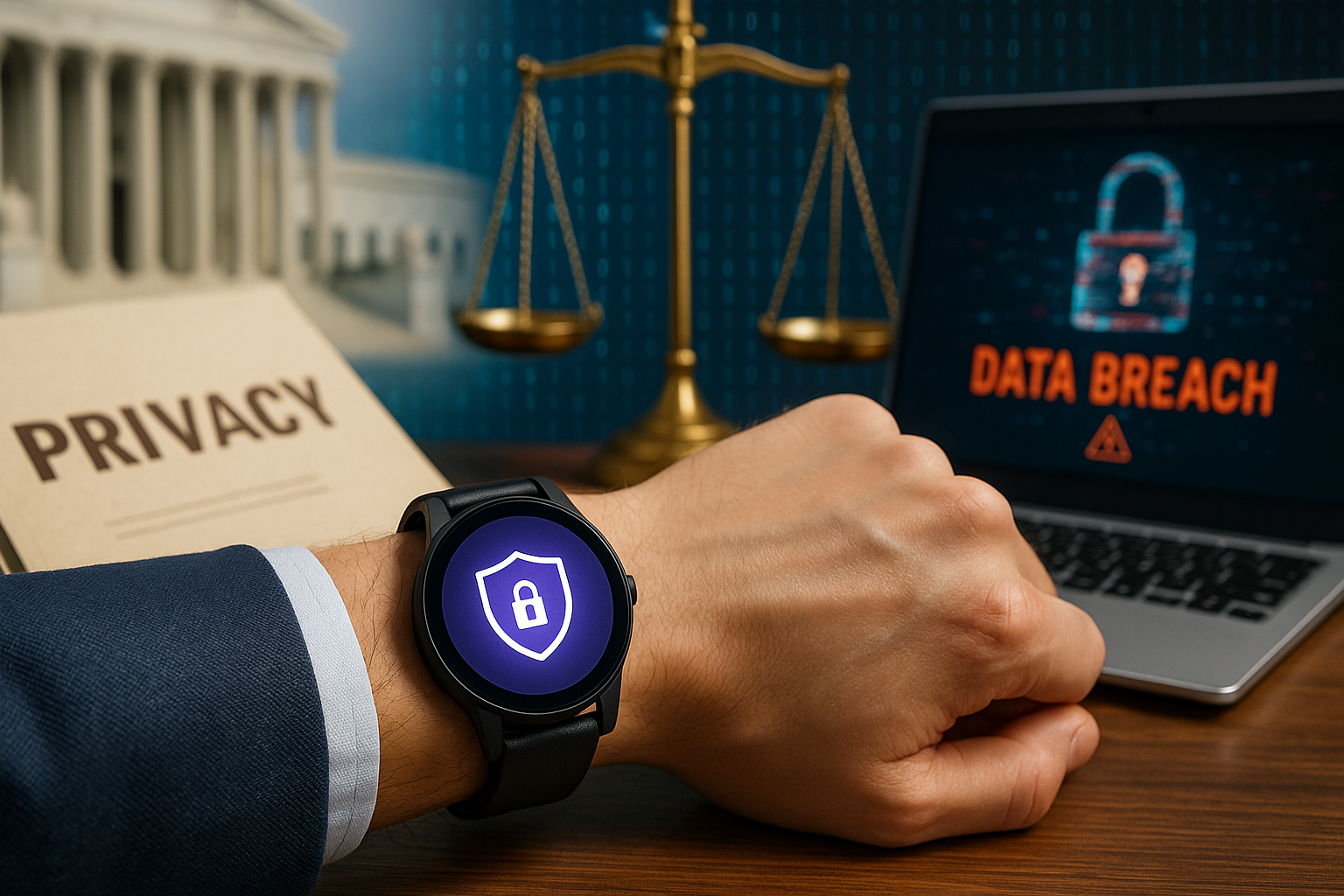

The Privacy Challenges of Wearable Technology Devices
As wearable technology continues to pervade daily life, it enhances convenience, health monitoring, and personal data collection like never before. Smartwatches, fitness trackers, and even smart clothing offer users a wealth of real-time analytics regarding their health, fitness levels, and even stress management. However, as this technology becomes more ingrained in consumer habits, significant privacy concerns are emerging, prompting a necessary dialogue around data retention, user consent, and overall cybersecurity measures.
Wearable devices collect vast amounts of personal information, from biometric data to location tracking. The convenience they offer often comes with a hidden cost: the potential misuse or unauthorized access to sensitive user data. As more individuals embrace this technology, it’s crucial to understand the implications for consumer privacy, regulatory developments, and compliance requirements surrounding these devices.
The Increasing Popularity of Wearable Devices
According to recent studies, the global wearables market is projected to surpass $100 billion by 2024. This rapid adoption highlights the increasing reliance on devices that not only monitor fitness levels but also track heart rates, sleep patterns, and even mental health metrics. Notable devices, such as the Apple Watch, Fitbit, and Samsung Galaxy Watch, have laid the groundwork for mainstream acceptance of wearable technology.
Though these devices offer unparalleled advantages in health tracking, they also raise questions about data ownership and user consent. The accumulated data can reveal substantial insights about an individual’s daily activities and even their overall well-being, which poses privacy risks that are often not adequately addressed. Understanding the privacy implications of these devices is essential as they continue to proliferate.
Data Collection and User Consent
Most wearable technology requires users to sign terms of service agreements that govern how their data is collected, used, and shared. These documents can often run hundreds of pages and are riddled with legal jargon that many users may not fully understand. A study conducted by the International Association of Privacy Professionals found that 78% of users never read the terms of service before acceptance.
This lack of comprehension raises vital questions about informed consent. How many users truly understand what data their devices are collecting, how it will be used, or whether it may be sold to third parties? For instance, a fitness tracker may monitor not only physical activity but also GPS locations. If this data is shared without explicit user knowledge, it could lead to unwanted breaches of privacy or significant data exploitation.
Potential Risks to Consumer Privacy
Wearable devices come with several risks concerning consumer privacy. Some of the primary concerns include:
- Unauthorized Access: Cybercriminals may hack into wearable devices to access personal data. Poorly secured devices can serve as gateways to more sensitive information, especially if they are linked to other online accounts.
- Data Misuse: Companies may misuse the data collected for marketing purposes or sell it to third parties without user approval. A significant example includes companies using data from health apps to determine coverage or premiums in the insurance industry.
- Lack of Transparency: Manufacturers sometimes fail to provide clear information about how user data is stored, analyzed, and shared, leaving consumers in the dark about the safety of their information.
- Involuntary Surveillance: Wearable devices can lead to the unintentional surveillance of users, as the constant tracking of movements and interactions can create extensive profiles of personal behavior.
Regulatory Developments and Compliance Requirements
Understanding the landscape of regulatory frameworks is crucial for both consumers and manufacturers of wearable technology. Various regions have implemented regulations regarding data privacy that affect how wearable device manufacturers operate.
General Data Protection Regulation (GDPR)
The GDPR, which came into effect in the European Union in 2018, significantly impacts how personal data is handled, including that collected by wearable devices. The regulation mandates stringent requirements for user consent and data protection. Companies now face hefty penalties for non-compliance, prompting many to review their data management practices.
For instance, under the GDPR, users have the right to access their data, rectify it, erase it, and even move it between services. Wearable technology companies must implement systems that comply with these rights, fundamentally altering how they approach user data.
California Consumer Privacy Act (CCPA)
On the other side of the Atlantic, the CCPA provides similar protections for consumers in California. The Act extends rights to consumers regarding their personal data collected by businesses. This includes the right to know what personal information is being collected and how it is being used, as well as the ability to opt-out of the sale of that information.
Both GDPR and CCPA impose strict compliance burdens on companies operating in these jurisdictions. Manufacturers of wearable technology must prioritize robust data protection measures and transparent user policies to avoid legal repercussions.
Expert Perspectives on Privacy Challenges
Experts in cybersecurity and data privacy are increasingly vocal about the challenges posed by wearable devices. According to cybersecurity analyst Sarah Turner, “As wearables evolve, so do the threats against them. Consumers must be educated about the risks, and manufacturers have a moral obligation to protect their users’ data.”
Moreover, attorney Thomas Cheng emphasizes the importance of transparency, stating, “Wearable technology can greatly enhance our health and wellness, but companies must be upfront about data collection and user rights. This fosters trust and compliance with regulations.”
The Role of Manufacturers in Ensuring Data Safety
Manufacturers of wearable technology must adopt best practices to minimize privacy risks. Some practical measures include:
- Data Encryption: Implementing robust encryption techniques can protect data both at rest and transit, making it less vulnerable to breaches.
- Regular Security Audits: Conducting periodic assessments of security measures ensures that devices are not susceptible to exploitation.
- User Education: Providing users with clear, accessible information about data handling practices, including how to adjust privacy settings, can empower consumers.
- Transparency Reports: Regularly publishing transparency reports can build trust and allow users to understand the extent of data collected and how it is used.
Practical Implications for Users
As consumers increasingly rely on wearable technology, they must remain vigilant about their privacy. Here are several practical steps users can take to enhance their data security:
- Review Privacy Settings: Users should actively review and adjust the privacy settings on their devices to limit data sharing and tracking.
- Understand Data Sharing Policies: Familiarizing oneself with company policies concerning data sharing and usage is essential for informed consent.
- Monitor Device Activity: Keeping an eye on what data is transmitted to applications can help users identify any unauthorized data access.
- Regular Updates: Ensuring that device firmware and software are routinely updated can protect against vulnerabilities.
The Future of Wearable Technology and Privacy Concerns
The trajectory of wearable technology is poised to continue upward, with innovations promising exciting capabilities. However, such advancements necessitate a greater focus on consumer privacy and data protection. As manufacturers navigate complex regulations and evolving user expectations, the need for robust cybersecurity measures will only intensify.
Stakeholders—including companies, consumers, and regulators—must engage in ongoing conversations about privacy challenges to strike a balance between technological benefits and data protection rights. Sustainable consumer trust hinges on transparent practices, regulatory compliance, and an unwavering commitment to safeguarding user data in an increasingly interconnected world.