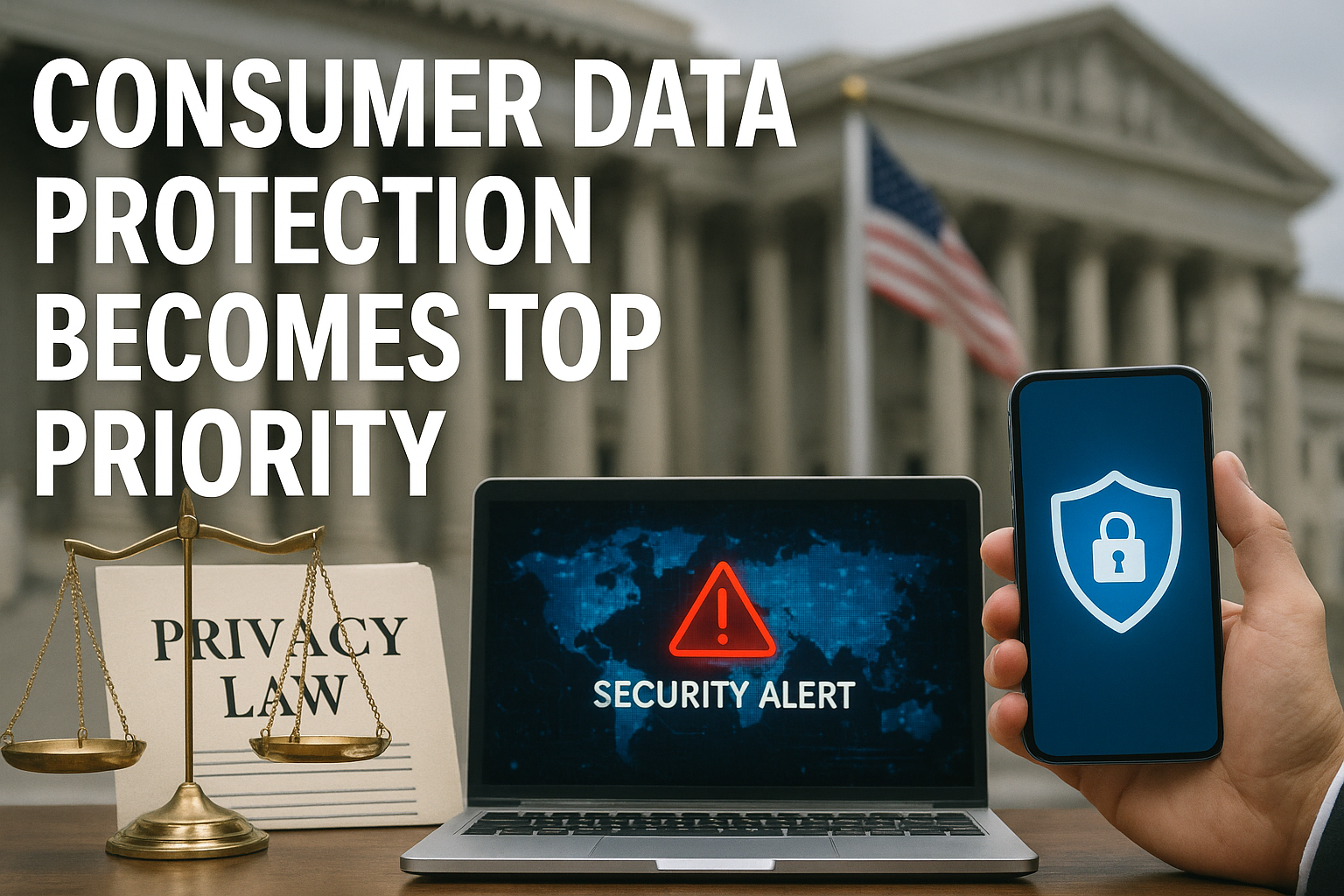

Consumer Data Protection Becomes Top Priority
In an increasingly digital world, consumer data protection has rapidly surged to the forefront of business and regulatory agendas. As companies collect, store, and process vast amounts of personal information—ranging from email addresses to financial data—the imperative for robust data protection strategies has never been clearer. Consumers are more aware of their digital footprints than ever, leading to heightened expectations for privacy and security from the brands they choose to engage with.
The emphasis on data protection stems from a combination of heightened cyber threats and emerging regulatory frameworks. Major data breaches showcase the vulnerabilities organizations face, with repercussions that can harm both consumers and corporate reputations. As such, businesses are urged to adopt comprehensive cybersecurity measures and comply with evolving data protection laws designed to ensure consumer rights are upheld. The dialogue surrounding consumer data privacy is evolving swiftly, with experts calling for stronger protections and a more informed populace.
The Regulatory Landscape Shifts
With several regions implementing stringent data protection regulations, businesses are compelled to adapt in order to comply and safeguard consumer data. The most notable of these regulations is the General Data Protection Regulation (GDPR) in Europe, which has set the gold standard for data privacy. Under GDPR, organizations are required to implement strict measures regarding consent, data usage, and consumer rights.
In the United States, the regulatory landscape is fragmented, with state-level initiatives like the California Consumer Privacy Act (CCPA) leading the charge. The CCPA grants California residents the right to know what personal data is being collected and how it is being used. Other states are developing similar regulations, and there is ongoing discussion about the need for a federal standard to unify data protection efforts across the country.
Global Trends and Local Implications
As companies operate in a global marketplace, understanding international regulations becomes imperative. For instance, businesses operating in both the EU and the U.S. must navigate conflicting requirements, highlighting the complexities of compliance in diverse legal landscapes. Organizations that neglect data protection regulations can face substantial financial penalties and loss of consumer trust.
- GDPR: Imposed fines can reach up to 4% of an organization’s annual global turnover or €20 million, whichever is higher.
- CCPA: Companies can be fined $2,500 for each unintentional violation and $7,500 for intentional violations.
The Impacts of Data Breaches
Data breaches can severely impact consumer trust and financial stability for organizations. Recent statistics illustrate the scale of the issue: according to the Identity Theft Resource Center, in 2021, 1,862 data breaches were reported, which is a 68% increase from the previous year. The average cost of a data breach reached $4.24 million, per the IBM Cost of a Data Breach Report.
Consumers impacted by data breaches often face identity theft, financial fraud, and emotional distress. Companies, on the other hand, may experience diminished brand loyalty and a decline in sales, alongside the costs associated with legal fees, remediation efforts, and regulatory fines. For instance, consider the aftermath of the Equifax data breach in 2017, which exposed sensitive information of 147 million people. Equifax faced a settlement amounting to $700 million to address claims from consumers, regulators, and financial institutions.
Adapting to Threats: Cybersecurity Measures
Given the rising prevalence of cyberattacks, organizations must employ comprehensive cybersecurity strategies to protect consumer data. Several frameworks and best practices can be leveraged to enhance data security.
Key Cybersecurity Measures
- Data Encryption: Encrypting sensitive data both in transit and at rest can significantly reduce the risk of unauthorized access.
- Regular Security Audits: Conducting regular audits allows organizations to identify vulnerabilities and address them proactively.
- Employee Training: Educating employees about cybersecurity risks and best practices can prevent human error, which is a leading cause of data breaches.
- MFA: Multi-factor authentication adds an extra layer of security that protects user accounts from unauthorized access.
Organizations that prioritize cybersecurity not only protect their data but also build a foundation of trust with their consumers. Transparency about data practices and proactive measures taken can bolster consumer confidence and foster long-term relationships.
Consumer Rights in the Digital Age
As discussions surrounding consumer data protection evolve, so do the rights afforded to individuals in the digital landscape. The right to access, amend, and delete personal information has garnered significant attention. Consumers are increasingly demanding control over their data, prompting companies to adopt more transparent practices.
Emerging Consumer Rights
- The Right to Access: Consumers can request information about what personal data a company holds and how it is used.
- The Right to Erasure: Also known as the “right to be forgotten,” consumers can request the deletion of their personal data.
- The Right to Data Portability: This allows consumers to transfer their personal data to another service provider.
Organizations are encouraged to implement policies that align with these rights to enhance consumer satisfaction and remain compliant with regulations. Businesses that embrace consumer autonomy over data can capitalize on this trust to differentiate themselves in competitive markets.
Getting Ahead: Preparing for Future Developments
The conversation on consumer data protection is far from static; it is continually evolving as technology advances and societal expectations shift. Businesses must adapt to changing regulatory frameworks, emerging technologies like artificial intelligence, and consumers’ rising awareness of their digital rights.
Experts warn that as cyber threats become more sophisticated, so too must the strategies to combat them. Data privacy will likely become a fundamental aspect of business strategy, influencing customer experience and operational practices. A proactive approach to data protection is not just regulatory compliance—it is also a competitive advantage.
Industry Collaboration and Best Practices
Collaboration among industry stakeholders can lead to better practices and frameworks that prioritize consumer data protection. Technology providers, policy-makers, and organizations must work together to create standards that enhance consumer trust while allowing innovation to thrive.
- Thought Leadership: Engaging in discussions on best practices and case studies can elevate the industry’s approach to data protection.
- Sharing Resources: Organizations can benefit from shared resources that offer guidelines and tools for compliance and security.
- Innovation in Security Solutions: Continuously investing in technology that enhances data security will provide a pathway to stronger consumer confidence.
By focusing on consumer data protection as an organizational priority, businesses can secure their future while respecting the rights and privacy of their customers. Stakeholders must remain vigilant and adaptable in this rapidly changing landscape, ensuring that the ethos of consumer rights and data integrity aligns with corporate growth and innovation.