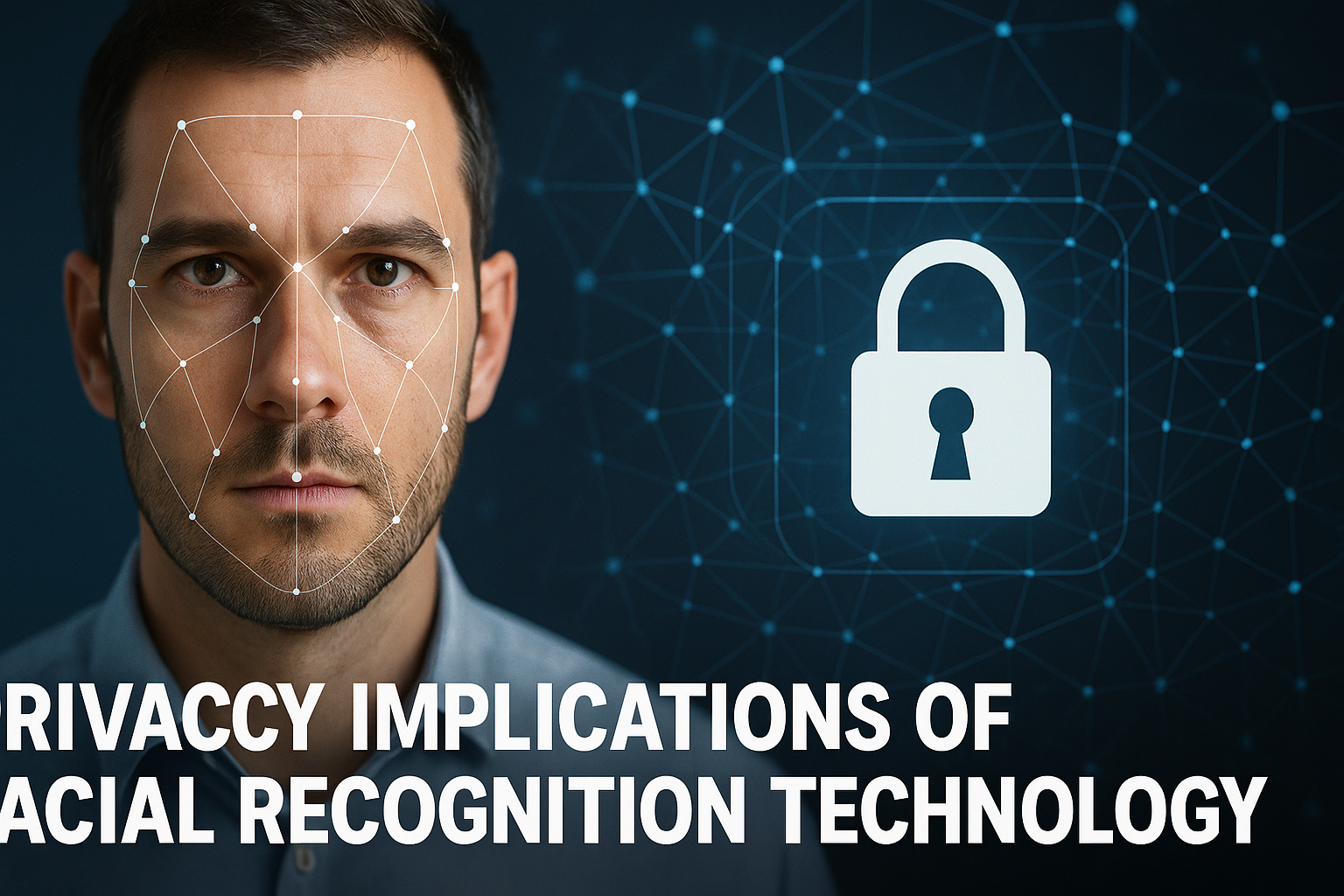

The Growing Ubiquity of Facial Recognition Technology
Facial recognition technology (FRT) has swiftly transitioned from the realm of science fiction into everyday reality, reshaping how businesses interact with consumers and how governments enforce law and order. In recent years, FRT has seen widespread adoption across various sectors including retail, banking, and security, where it is leveraged to enhance customer experiences, streamline services, and bolster safety protocols. However, beneath its veneer of convenience lies a complex web of privacy implications that warrants diligent examination.
The integration of FRT raises significant concerns surrounding data privacy, cybersecurity, and consumer rights. As organizations increasingly deploy these biometric systems, questions arise regarding who owns this biometric data, how it is stored, and the potential for misuse. With regulatory frameworks lagging behind technological advancements, both individuals and organizations must navigate a landscape fraught with uncertainties.
Understanding Facial Recognition Technology
Facial recognition technology employs sophisticated algorithms to identify and verify individuals based on their facial features. By capturing an image and analyzing various attributes—such as the distance between the eyes or the shape of the jaw—the system compares it against a database to find potential matches. Though the technology promises enhanced security, rapid identification, and personalized customer experiences, the implications for personal privacy are profound.
The Rise of Facial Recognition in Various Sectors
Numerous industries have adopted facial recognition systems to improve operations. The retail sector utilizes FRT for loss prevention and to better understand consumer behavior. For instance, stores can analyze foot traffic and shopper demographics based on facial data, personalizing marketing efforts accordingly. Meanwhile, airports utilize FRT to expedite check-in and boarding processes, enhancing traveler convenience.
Government use of FRT has sparked further debate. Law enforcement agencies deploy the technology for surveillance and crime prevention, often raising concerns regarding excessive monitoring and civil liberties violations. For example, the use of facial recognition in crowd control at protests has led to accusations of infringing upon individuals’ rights to free assembly.
Data Privacy Concerns: The Risks Involved
One of the most pressing issues surrounding facial recognition technology is data privacy. As organizations gather vast amounts of biometric data, the potential for breaches or misuse escalates. Several high-profile incidents highlight these risks:
- Data Breaches: Cybercriminals may target facial recognition databases to acquire sensitive information, leading to identity theft or unauthorized surveillance.
- Surveillance Overreach: Continuous monitoring in public spaces raises concerns about the erosion of personal privacy. Individuals may feel tracked and scrutinized without their consent.
- Data Misuse: Organizations could exploit facial recognition data for purposes beyond its original intent, such as marketing practices that invade consumer privacy.
Regulatory Landscape: An Uncertain Future
The regulatory response to facial recognition technology is gradually evolving. As privacy concerns mount, several jurisdictions have implemented or are contemplating regulations to govern its use. For example:
- California Consumer Privacy Act (CCPA): Enacted in 2020, CCPA grants consumers more control over their personal information and mandates organizations to be transparent about data collection practices, including biometric data.
- GDPR in Europe: The General Data Protection Regulation offers robust protections against the misuse of personal data, including biometric information, requiring explicit consent for data processing.
- Proposed Bans: Cities like San Francisco and Boston have enacted local bans on facial recognition technology in governmental uses, reflecting public pushback against surveillance practices.
Compliance Requirements: What Businesses Need to Know
For businesses integrating facial recognition technology, understanding compliance requirements is crucial. Companies must not only comply with existing regulations but also implement best practices to protect consumer privacy. Key compliance measures include:
- Transparency: Clearly communicate to customers what data is being collected, the purpose of collection, and how it will be used.
- Data Protection: Invest in strong cybersecurity measures to safeguard biometric data against breaches.
- Opt-In Consent: Obtain explicit consent from individuals before collecting their facial data, ensuring they understand its usage.
The Role of Technology in Ensuring Privacy
While FRT poses several risks, advancements in technology can help mitigate privacy concerns. Organizations can explore encrypted databases that anonymize biometric data, ensuring that individual identities cannot be easily traced. Additionally, the incorporation of artificial intelligence to assess the necessity of collected data could foster a more responsible approach to facial recognition.
Expert Perspectives: What Are Industry Leaders Saying?
Industry experts offer varied insights on the implications of facial recognition technology. Some argue that it represents a transformative step towards enhanced security and operational efficiencies. For instance, renowned cybersecurity expert Bruce Schneier emphasizes that while FRT can improve certain aspects of security, it requires robust governance frameworks to prevent abuse.
On the other hand, privacy advocates express grave concerns about the compliance challenges and ethical dilemmas posed by the technology. Experts like Alessandro Acquisti, a professor at Carnegie Mellon University, argue that the ease of data collection and analysis can lead to unwarranted invasions of privacy, urging a more cautious approach to integration and deployment.
Practical Implications for Individuals and Organizations
For individuals, being aware of how their facial data is being utilized is crucial. Consumers should actively inquire about how businesses use facial recognition technology and advocate for transparency regarding data handling practices. Furthermore, citizens can participate in conversations about regulatory frameworks to shape policies that protect their privacy rights.
Organizations adopting facial recognition technology must tread carefully. Balancing innovation with ethical considerations is paramount. By implementing clear policies, fostering transparent communication, and establishing accountable data practices, businesses can harness the benefits of FRT while safeguarding consumer privacy.
The Path Ahead: Navigating the Future of Facial Recognition Technology
As facial recognition technology continues to evolve, the call for comprehensive privacy regulations will likely grow louder. Businesses must remain vigilant in their data handling practices while staying informed about regulatory changes. As consumers become increasingly aware of their digital rights, their demand for privacy and ethical practices will drive future developments in the field.
The landscape surrounding facial recognition technology is dynamic and complex, intertwining diverse interests, technologies, and ethical considerations. Embracing innovation while prioritizing privacy will be the key challenge for businesses and regulators alike as we navigate this uncharted territory.
Understanding the balance between technological advances and the imperative of protecting personal privacy remains a pivotal conversation as societies adapt to an ever-changing digital landscape.