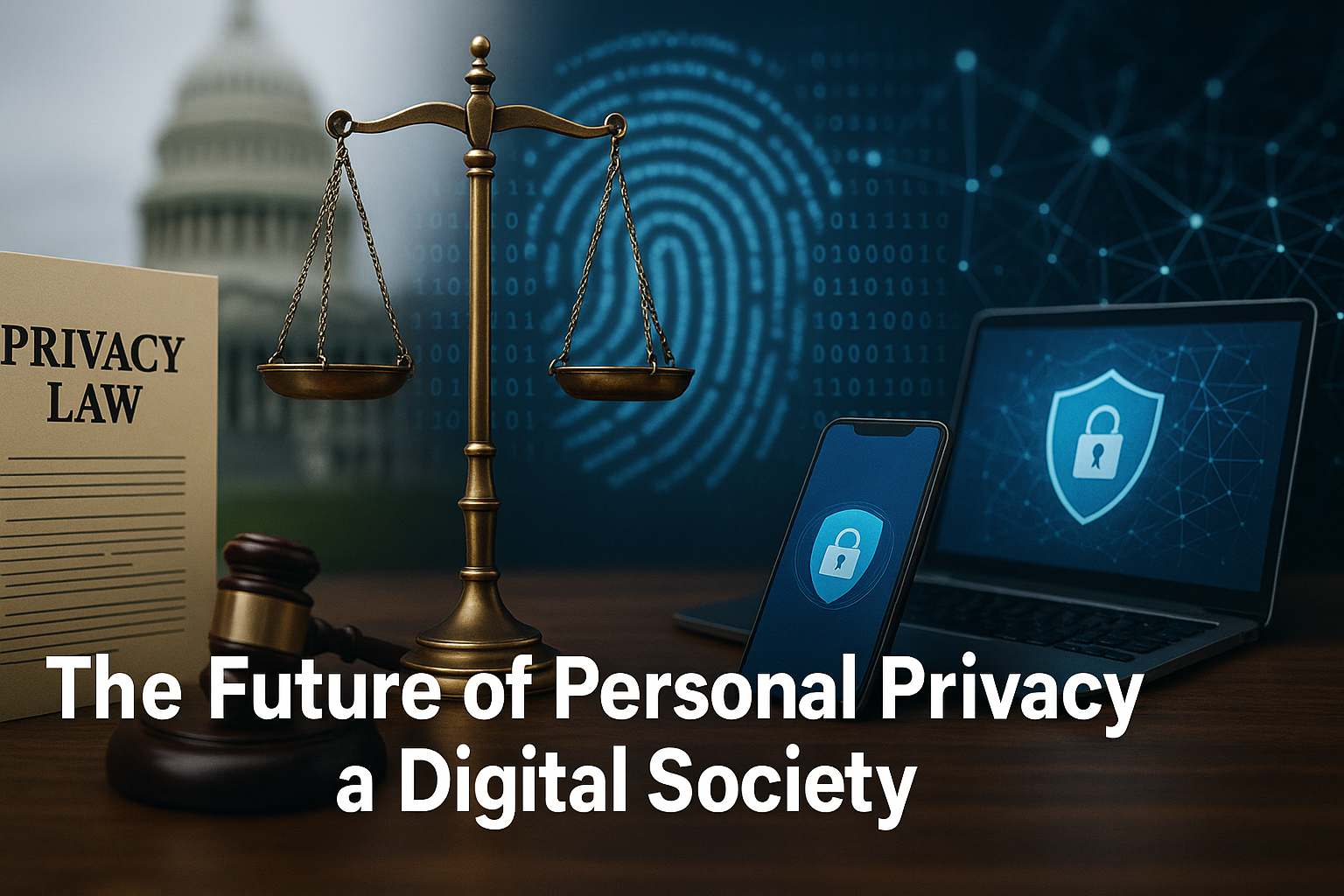

The Future of Personal Privacy in a Digital Society
As we immerse ourselves further into the digital world, the conversation surrounding personal privacy has evolved from a mere afterthought to a pressing global issue. With the advent of technologies like artificial intelligence, the Internet of Things (IoT), and big data analytics, the ways in which we collect, share, and protect our personal information are transforming rapidly. This transformation raises significant questions about individual rights, data ownership, and the ethical boundaries of technology.
The vast troves of personal data collected by businesses and governments come with both promise and peril. From targeted advertising and personalized services to potential misuse and data breaches, the stakes have never been higher. Recent instances of high-profile data breaches have underscored the vulnerabilities within our digital landscape, creating a heightened awareness about consumer privacy rights. As we look toward the future, it is crucial to explore the evolving landscape of personal privacy, the regulatory developments shaping it, and practical strategies individuals and organizations can adopt to safeguard their data.
The Current Landscape of Data Privacy
According to a report by Cybersecurity Ventures, the cost of data breaches is projected to reach $10.5 trillion annually by 2025. This staggering figure highlights the urgent need for effective cybersecurity measures and robust privacy regulations. As businesses increasingly transition to digital platforms, they must navigate an intricate web of privacy laws that vary by region, impacting how they manage user data.
The Role of Consumer Awareness
Consumer awareness plays a pivotal role in the future of personal privacy. With growing concerns over how companies handle personal information, more users are becoming vigilant about their digital footprints. A survey conducted by the Pew Research Center revealed that 81% of Americans feel that the potential risks of data collection by companies outweigh the benefits.
This shift in awareness drives demand for clearer data practices and greater transparency. Businesses are responding by adopting privacy-centered principles, from enhanced data collection disclosures to the implementation of robust data protection measures. The California Consumer Privacy Act (CCPA), for instance, has set a precedent for consumer rights, mandating companies to provide users with the ability to access, delete, and opt-out of their personal data being sold.
Regulatory Developments Shaping Privacy Standards
As the digital landscape evolves, so too do the regulations governing personal privacy. Governments across the globe are enacting laws designed to protect consumer data and uphold digital rights. The General Data Protection Regulation (GDPR) in Europe is perhaps the most comprehensive data protection framework, imposing strict rules on how companies handle personal data.
Global Compliance Requirements
Compliance with such regulations is not merely a legal obligation; it is also vital for building consumer trust. Businesses that fail to comply with data protection laws face significant penalties. For example, Google was fined €50 million by French authorities for insufficient transparency regarding data consent related to ads.
The implications of these regulations extend beyond compliance. Companies must invest in technologies and personnel dedicated to data protection and management. This often means adopting privacy-first approaches, which prioritize user consent and data minimization. Organizations must also provide continuous training to employees regarding data privacy best practices.
The Impact of Emerging Technologies
The constantly evolving technological landscape poses both challenges and opportunities for personal privacy. Innovations in AI and machine learning enable the more efficient processing of vast amounts of personal data, but they also raise ethical concerns regarding data usage and privacy erosion.
Artificial Intelligence and Data Privacy
AI’s ability to analyze user behavior and preferences can enhance user experience but may compromise privacy. For instance, AI-driven chatbots collect data to provide personalized interactions. If that data is not managed responsibly, it could be misused, leading to identity theft or privacy violations.
According to a study by Gartner, by 2023, 65% of the global population will have its personal data covered under modern privacy regulations. Companies must evaluate how they utilize AI, ensuring adherence to ethical standards and privacy laws while mitigating risks associated with data misuse.
Protecting Personal Privacy in a Digital Society
As individuals navigate the complexities of a digital world, understanding how to protect personal privacy is of paramount importance. Here are some practical strategies to enhance personal privacy:
- Utilize strong passwords: Employ unique, complex passwords for different accounts, and consider using a password manager.
- Enable two-factor authentication: This adds an additional layer of security to online accounts.
- Be cautious about sharing information: Always assess the necessity of sharing personal information with platforms and services.
- Educate yourself on data rights: Familiarize yourself with privacy laws in your jurisdiction, like GDPR and CCPA, to understand your rights.
- Regularly review privacy settings: Check the privacy settings on social media accounts and applications to manage what information is shared.
The Importance of Digital Literacy
Digital literacy is integral for navigating this landscape effectively. Understanding how data is collected and used empowers individuals to make informed choices about their privacy. Educational initiatives that promote digital literacy and personal privacy awareness will play a vital role in shaping a more secure digital society.
The Future of Digital Rights
The future of personal privacy also hinges on the broader discourse surrounding digital rights. Concepts such as the “right to be forgotten,” which allows individuals to request the removal of their personal data from search engines, are gaining traction. Similarly, as citizens become more concerned about surveillance and data collection, pressing for stronger protections against government overreach will be critical.
The Role of Advocacy Groups
Organizations dedicated to protecting civil liberties and consumer rights are indispensable in this changing landscape. They provide a voice for individuals advocating for stronger data protection laws and hold corporations accountable for their practices. As digital rights evolve, the collective efforts of advocacy groups, technologists, and policymakers will be instrumental in shaping a more privacy-conscious society.
Balancing Innovation and Privacy
As businesses strive for innovation, they must also respect the privacy of their consumers. Striking this balance is crucial for sustaining public trust. Organizations that prioritize ethical data practices will likely foster loyalty and enhance their reputations in an increasingly discerning market.
The Path Forward
Looking ahead, the landscape of personal privacy in a digital society will continue to shift. With technology advancing at an unprecedented pace, regulatory frameworks will likely evolve to keep pace with emerging challenges. Collaboration between businesses, consumers, and regulators will be essential in creating a balanced approach that fosters innovation while safeguarding personal privacy.
As individuals and organizations prepare for this future, embracing transparency, respecting user data, and advocating for stronger privacy laws will be pivotal in protecting personal privacy. The coming years will determine not just how we navigate the digital landscape, but how effectively we safeguard the fundamental rights that contribute to our digital lives.