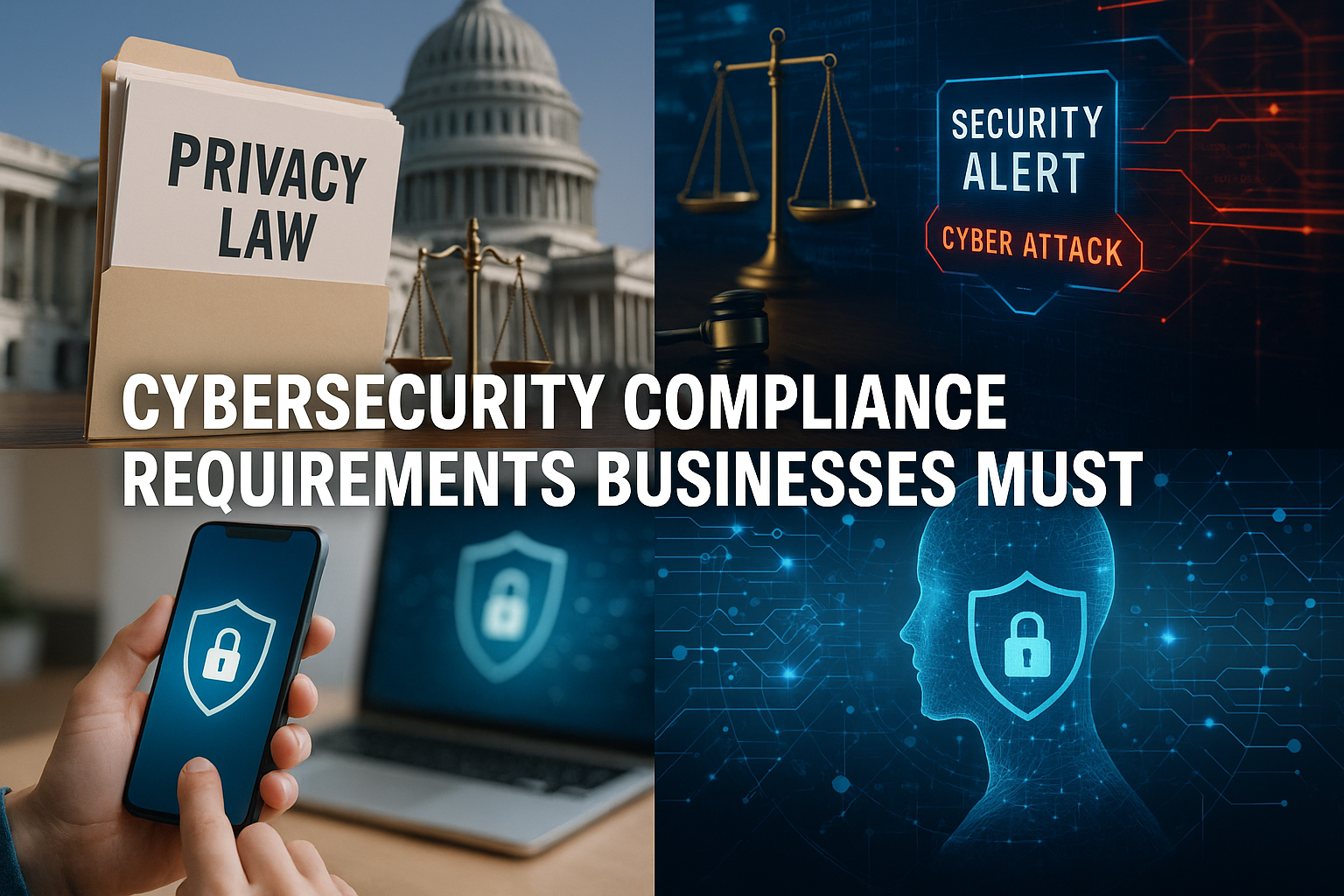

Cybersecurity Compliance Requirements Businesses Must Know
In today’s digital landscape, cybersecurity has emerged as a critical concern for organizations of all sizes. With increasing reliance on technology and the internet, businesses face a myriad of threats, including data breaches, ransomware attacks, and malicious software. As cyber threats evolve, so too does the framework of regulations and compliance requirements designed to protect sensitive data and ensure cybersecurity. Understanding these requirements is not just about legal compliance; it is essential for maintaining consumer trust and safeguarding corporate reputation.
The repercussions of failing to comply with cybersecurity regulations can be severe, ranging from hefty fines to long-lasting damage to a brand’s reputation. For business professionals, it is crucial to stay informed about the landscape of cybersecurity compliance, including the various frameworks applicable to different industries and the latest regulatory developments. This article delves into the essential cybersecurity compliance requirements that businesses must recognize and act upon to mitigate risks effectively.
Understanding Cybersecurity Compliance
Cybersecurity compliance refers to the adherence to laws, regulations, and standards designed to protect sensitive data from cyber threats. Compliance is not a one-size-fits-all approach; it varies by industry and region. For instance, the healthcare sector must adhere to the Health Insurance Portability and Accountability Act (HIPAA), while businesses handling payment card transactions must comply with the Payment Card Industry Data Security Standard (PCI DSS).
Why Cybersecurity Compliance Matters
- Legal Obligations: Non-compliance can lead to penalties, fines, and legal action.
- Consumer Trust: Customers are more likely to engage with a business that demonstrates a commitment to data protection.
- Operational Resilience: Strong cybersecurity measures can improve overall business continuity and reduce downtime.
- Reputation Management: Data breaches can tarnish a brand’s reputation; compliance helps prevent such incidents.
Key Cybersecurity Compliance Frameworks
Several frameworks guide organizations in establishing their cybersecurity measures. Understanding these frameworks is essential for any compliance strategy.
General Data Protection Regulation (GDPR)
The GDPR is a regulation in the European Union that sets guidelines for the collection and processing of personal information. Businesses operating within the EU, or engaging with EU citizens, must comply with GDPR standards. Key components include:
- Data subject rights: Individuals have the right to access, rectification, and erasure of their personal data.
- Data protection by design and by default: Businesses must integrate data protection measures from the outset of any project.
- Mandatory breach notification: Data breaches must be reported within 72 hours of discovery.
The GDPR imposes substantial penalties for non-compliance, with fines reaching up to €20 million or 4% of an organization’s annual global turnover, whichever is higher.
Health Insurance Portability and Accountability Act (HIPAA)
HIPAA regulates the handling of protected health information (PHI) in the United States. It mandates that covered entities and their business associates implement specific safeguards. Key requirements include:
- Administrative safeguards: Policies and procedures must be developed to ensure compliance.
- Physical safeguards: Access controls to limit physical access to facilities and data.
- Technical safeguards: Encryption and secure access mechanisms for electronic PHI.
Violations of HIPAA can lead to civil and criminal penalties, emphasizing the need for compliance in healthcare settings.
Payment Card Industry Data Security Standard (PCI DSS)
PCI DSS is a set of security standards designed to ensure that all companies that accept, process, or transmit credit card information maintain a secure environment. The requirements include:
- Building and maintaining a secure network: Installation of firewalls and secure systems.
- Encryption of cardholder data: Protecting cardholder data that is stored and transmitted.
- Regular monitoring and testing: System monitoring and vulnerability management are critical to identifying potential risks.
Failure to comply with PCI DSS could result in fines and the potential loss of the ability to accept credit cards.
Recent Regulatory Developments
As cyber threats become more sophisticated, regulators worldwide are stepping up efforts to safeguard data and privacy. Some recent developments include:
- California Consumer Privacy Act (CCPA): Effective January 1, 2020, this privacy law grants California residents rights concerning their personal data, including the right to know what data is collected and the right to opt-out of its sale.
- New York Shield Act: Enacted in 2019, this legislation expands the scope of data protection laws and requires businesses to implement reasonable safeguards to protect personal data.
- Federal Trade Commission (FTC) Guidelines: The FTC has increased scrutiny around data privacy and security practices and has been enforcing regulations more rigorously.
Practical Implications for Businesses
Businesses must take proactive steps to address cybersecurity compliance to safeguard against risks associated with data breaches and other cyber incidents. Here are some practical measures:
Conduct Regular Security Assessments
Periodic security assessments help identify vulnerabilities within an organization’s systems and networks. This process should include:
- Risk assessments to identify potential threats.
- Penny testing to assess weaknesses in the security architecture.
- Policy reviews to ensure they align with current regulatory standards.
Implement Comprehensive Data Protection Policies
Data protection policies are essential for minimizing risks and ensuring compliance. These should include:
- Data classification guidelines to determine data sensitivity.
- Data retention policies that align with legal requirements.
- Incident response plans for managing and mitigating potential breaches.
Employee Training and Awareness
Employees are often the first line of defense against cyber threats. Regular training sessions on cybersecurity best practices can empower staff to recognize and report potential threats, such as phishing attempts.
Potential Risks of Non-Compliance
Ignoring cybersecurity compliance requirements can lead to significant risks that affect an organization on multiple levels:
- Financial Penalties: Non-compliance can result in substantial fines, as highlighted by GDPR penalties and potential class-action lawsuits.
- Data Breaches: A lack of effective cybersecurity measures increases the risk of data breaches, which can lead to loss of sensitive data and trust.
- Loss of Business Opportunities: Clients and partners may be unwilling to engage with organizations that prove to be lax in protecting customer data.
Expert Perspectives on Cybersecurity Compliance
Industry experts emphasize the importance of establishing a culture of security within organizations. This involves integrating compliance into daily operations and decision-making processes. Andrew Davidson, a cybersecurity consultant, states: “Compliance is not just about meeting a checklist; it’s about fostering an organizational culture that prioritizes data security and respects consumer privacy.”
Moreover, evolving regulations necessitate agility within businesses. As noted by Maria Cheng, a legal expert in data privacy, “Businesses must remain vigilant and adaptable to changes in regulatory requirements to maintain compliance and build consumer confidence.”
The Future of Cybersecurity Compliance
The landscape of cybersecurity compliance is continually evolving. With rapid advances in technology and increasing regulatory scrutiny, businesses must stay informed of emerging trends and technologies that can enhance their compliance efforts. Key areas to watch include:
- Artificial Intelligence and Machine Learning: These technologies can significantly improve threat detection and response times.
- Privacy-Enhancing Technologies: Tools that help organizations comply with data privacy laws while still leveraging data for business purposes.
- Collaboration with Regulatory Bodies: Open communication between businesses and regulators can lead to more effective compliance frameworks and clearer guidelines.
As organizations navigate the complexities of cybersecurity compliance, it becomes apparent that a proactive and informed approach is critical. By prioritizing cybersecurity, businesses can not only meet regulatory expectations but also protect their most valuable asset—the trust of their customers.