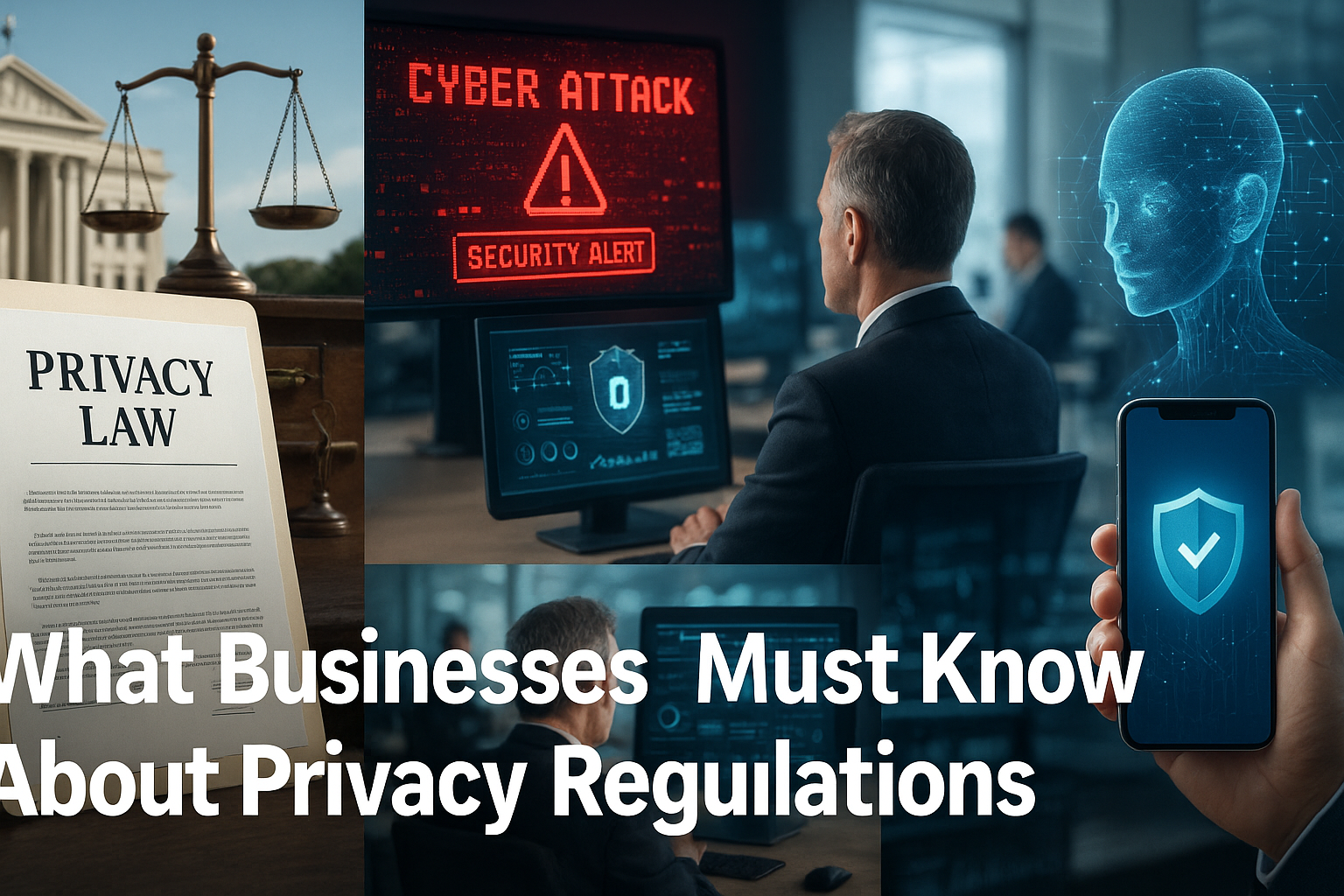

Understanding the Landscape of Privacy Regulations
In today’s digital age, where vast amounts of personal data are generated every second, privacy regulations have become a critical focus for businesses worldwide. As a result of increasing public concern over data breaches and misuse of personal information, governments are stepping up their efforts to establish robust regulatory frameworks. Companies must navigate this evolving landscape to ensure compliance and protect their customers’ data. For businesses, understanding privacy regulations is not just a legal obligation; it is also an opportunity to build trust and foster customer loyalty.
As data breaches continue to make headlines, regulatory oversight is intensifying. Laws such as the General Data Protection Regulation (GDPR) in the European Union and the California Consumer Privacy Act (CCPA) in the United States have set stringent requirements for how organizations handle personal information. Violations can result in severe penalties, making it imperative for businesses to stay informed and proactive about their data privacy practices. This article delves into what organizations need to know about privacy regulations, the implications of non-compliance, and best practices for safeguarding consumer data.
The Evolution of Privacy Regulations
Privacy regulations have evolved significantly over the past few decades. Initially, laws pertaining to data protection were few and often outdated. However, the explosion of the internet, mobile technology, and social media transformed how personal data is collected and processed. Today, businesses must grapple with a complex web of national and international regulations.
The Influence of Global Standards
Many jurisdictions have implemented their own privacy laws, reflective of cultural attitudes towards data privacy. For example:
- General Data Protection Regulation (GDPR): Enforced in May 2018, the GDPR has set a high standard for data protection, mandating organizations to obtain explicit consent from users before collecting their data.
- California Consumer Privacy Act (CCPA): Effective since January 2020, this law grants California residents the right to know what personal data is being collected about them and how it is used.
- Brazil’s Lei Geral de Proteção de Dados (LGPD): Similar to the GDPR, the LGPD, which came into effect in 2020, emphasizes data protection and privacy rights for Brazilian citizens.
Practical Implications of Privacy Regulations
For businesses, complying with these privacy regulations is not optional. Failing to understand and adhere to data privacy laws can have serious repercussions. Here are some practical implications:
Compliance Requirements
Businesses are required to implement specific measures to protect consumer data. Key compliance requirements include:
- Data Mapping: Organizations must have a clear understanding of the types of personal data they collect, how it is processed, and where it is stored.
- Privacy Policies: Companies are mandated to create transparent privacy policies detailing data collection processes, usage, and rights afforded to consumers.
- Data Breach Protocols: Organizations must have actionable plans for responding to data breaches, which include notifying affected parties and regulatory bodies within stipulated timeframes.
- Employee Training: Regular training sessions for employees on data privacy laws and best practices are essential to mitigate risks associated with human error.
Potential Risks and Consequences
Non-compliance can lead to severe consequences, including:
- Financial Penalties: GDPR fines can reach up to €20 million or 4% of a company’s global annual revenue, whichever is higher. The CCPA also imposes fines for violations.
- Reputation Damage: Data breaches can erode consumer trust, harm brand reputation, and diminish customer loyalty.
- Legal Action: Individuals and consumer advocacy groups can pursue litigation against companies that violate privacy laws.
The Role of Cybersecurity in Data Privacy
As data privacy and cybersecurity are intrinsically linked, organizations must adopt a holistic approach to protect sensitive information. Cybersecurity measures are vital for ensuring compliance with privacy regulations and safeguarding against data breaches.
Best Practices for Enhancing Cybersecurity
Businesses can enhance their cybersecurity posture by implementing the following practices:
- Encryption: Encrypting sensitive data can prevent unauthorized access and protect information during transmission.
- Access Controls: Limiting access to personal data to only those employees who need it for their work can minimize risks.
- Regular Security Audits: Conducting periodic security audits can help identify vulnerabilities and ensure compliance with privacy regulations.
- Incident Response Plans: Having an effective incident response plan allows organizations to quickly address data breaches and mitigate their impact.
Emerging Trends and Future Directions
As technology continues to advance, so too will privacy regulations. Understanding emerging trends is essential for businesses aiming to maintain compliance and protect consumer rights.
Technological Advancements
The development of technologies, such as artificial intelligence and big data analytics, poses new challenges for data privacy. Organizations must remain vigilant and adapt their practices to address potential risks associated with these technologies.
Increased Consumer Awareness
Today’s consumers are more informed and concerned about their data privacy than ever before. Organizations will need to prioritize transparency and ethical data practices to foster trust among users.
Expert Perspectives on Privacy Compliance
Industry experts stress the importance of proactive compliance strategies. According to Michele Chubak, a privacy attorney, “The costs of non-compliance extend beyond fines; they include reputational damage and loss of customer loyalty. Businesses should view their compliance efforts as part of their overall risk management strategy.”
“Privacy laws are continuously changing. To stay ahead, companies must invest in ongoing training and resources to adapt to new regulations.” – John Smith, Cybersecurity Analyst
Developing a Culture of Privacy
Ultimately, establishing a culture of privacy within an organization is essential. Leaders must emphasize the importance of data protection at all levels. Building a privacy-focused ethos can lead to better compliance and stronger consumer relationships.
Businesses should also explore collaboration with third-party vendors who specialize in data protection and privacy compliance. Leveraging external expertise can enhance understanding and capabilities while ensuring adherence to regulatory expectations.
Continuous Monitoring and Adaptation
As privacy regulations evolve, businesses must engage in continuous monitoring of their compliance measures. This can include staying updated on regulatory changes, assessing the effectiveness of privacy programs, and adjusting strategies as necessary to meet the dynamic landscape of data privacy.
In this environment, organizations must also advocate for consumer rights and engage in conversations about data privacy more broadly. By taking a proactive stance, businesses can not only comply with regulations but also contribute to a safer digital ecosystem for everyone.
Understanding privacy regulations is a multifaceted responsibility that requires ongoing attention, collaboration, and innovation. As businesses navigate this complex terrain, prioritizing data protection will not only ensure compliance but also build a foundation of trust with consumers, laying the groundwork for long-term success.