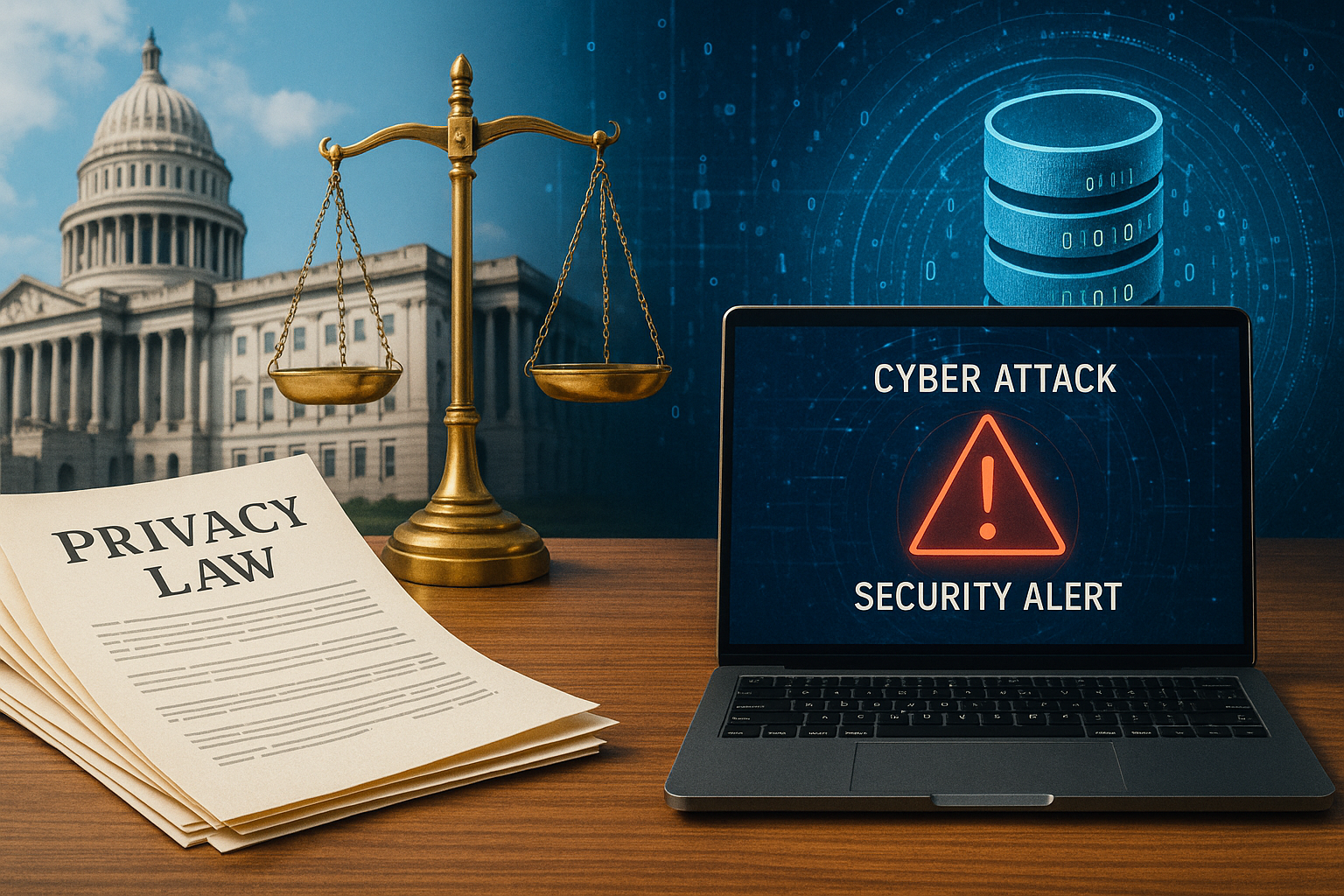

Understanding the Importance of Protecting Sensitive Information
In today’s digital landscape, data breaches have become an alarming reality for both individuals and organizations. With increasing reliance on technology and the internet, sensitive information such as personal identification, financial records, and client data is more vulnerable than ever. The need for robust data protection strategies is imperative not only for safeguarding privacy but also for maintaining consumer trust and adhering to regulatory requirements.
According to a recent report from Cybersecurity Ventures, global cybercrime damages are expected to reach $10.5 trillion annually by 2025. These statistics highlight the urgency for businesses and individuals to prioritize data security. By understanding the risks and implementing effective protection measures, we can mitigate potential threats and enhance our overall cybersecurity posture.
The Evolving Threat Landscape
Data breaches can occur due to various factors, including cyberattacks, insider threats, and even unintentional human error. According to the 2023 Verizon Data Breach Investigations Report, 83% of data breaches involve human actions. This includes everything from falling for phishing scams to using weak passwords.
Common Types of Data Breaches
- Malware Attacks: Malicious software infiltrates a system to steal or corrupt data.
- Phishing Scams: Attackers trick individuals into providing personal information through deceptive emails or websites.
- Ransomware: Data is encrypted by attackers who demand payment for decryption.
- Insider Threats: Current or former employees misuse access to sensitive information.
- Physical Theft: Devices containing sensitive data are stolen or lost.
Implementing Effective Data Security Measures
Protecting sensitive information requires a multifaceted approach. Here are some essential strategies to safeguard your data from breaches:
1. Utilize Strong Passwords and Authentication Methods
Strong passwords are your first line of defense against unauthorized access. Business professionals should follow these best practices:
- Use a combination of letters, numbers, and symbols.
- Avoid easily guessable information, such as birthdays or common phrases.
- Implement two-factor authentication (2FA) to add an extra layer of security.
2. Conduct Regular Security Audits
Regular security audits help identify vulnerabilities in your systems. Consider the following:
- Review access controls and permissions to ensure they are up to date.
- Assess software and hardware for potential security flaws.
- Perform penetration testing to simulate attacks and evaluate defenses.
3. Encrypt Sensitive Data
Data encryption converts information into a code that can only be deciphered with a specific key. This is crucial for protecting sensitive data, especially if it is stored in the cloud or transferred over the internet. Use encryption tools that comply with standards like AES (Advanced Encryption Standard) which is widely recognized for its robustness.
4. Train Employees on Cybersecurity Awareness
Human error is a leading cause of data breaches. Conduct regular training sessions that cover:
- Recognizing phishing attempts and suspicious activities.
- Safe browsing practices and social engineering awareness.
- Proper data handling and reporting procedures for security incidents.
5. Keep Software and Systems Updated
Outdated software is often the target of cybercriminals. Ensure your organization:
- Regularly updates operating systems and applications.
- Installs security patches as soon as they are available.
- Uses advanced antivirus and anti-malware solutions.
Regulatory Considerations and Compliance
Staying compliant with data protection regulations is crucial for businesses. Laws such as the General Data Protection Regulation (GDPR) in Europe and the California Consumer Privacy Act (CCPA) in the United States impose strict guidelines on how organizations must handle sensitive data.
Understanding GDPR and CCPA
- GDPR: Requires organizations to obtain explicit consent for data processing and grants consumers the right to access and delete their data.
- CCPA: Provides consumers in California with the right to know what personal information is collected and shared, as well as the ability to opt out of data selling.
Non-compliance can lead to severe penalties. In 2022, British Airways was fined £20 million for failing to protect customer data following a breach. This highlights the significance of regulatory compliance in data security strategies.
Establishing Incident Response Plans
No system is immune to breaches. Establishing an incident response plan can significantly minimize damage during an attack. Key components of an effective plan include:
- Identification: Detect and identify potential breaches quickly.
- Containment: Act swiftly to contain the breach and prevent further loss of data.
- Eradication: Remove the breach’s cause and sanitize systems.
- Recovery: Restore affected systems and data, ensuring vulnerabilities are addressed.
- Post-Incident Review: Analyze the incident to improve future response strategies.
The Role of Technology in Data Protection
Emerging technologies are continually reshaping how organizations protect sensitive information. Some noteworthy advances include:
1. Artificial Intelligence (AI)
AI-powered tools can enhance threat detection and response times. By analyzing patterns in data access and user behavior, these systems can identify anomalies that may indicate a breach.
2. Blockchain Technology
Blockchain’s decentralized nature can enhance data security, making it harder for unauthorized users to manipulate information. This technology is particularly promising in industries like finance and healthcare, where data integrity is paramount.
3. Zero Trust Architecture
The Zero Trust model operates on the principle of “never trust, always verify.” This approach requires strict identity verification for every user attempting to access resources, regardless of their location. This significantly minimizes the risk of unauthorized access.
Conclusion on Data Privacy and Consumer Rights
As technology continues to evolve, so must our approach to data protection. Ensuring the privacy of sensitive information is not just a technical issue but a critical aspect of consumer rights and corporate responsibility. Building a culture of cybersecurity awareness and compliance will not only protect sensitive information but also foster trust among consumers.
Staying informed about regulatory developments and adopting innovative technologies will further empower organizations to navigate the complex landscape of data security. By taking proactive measures and embracing a comprehensive data protection strategy, individuals and businesses can significantly reduce the risk of data breaches.