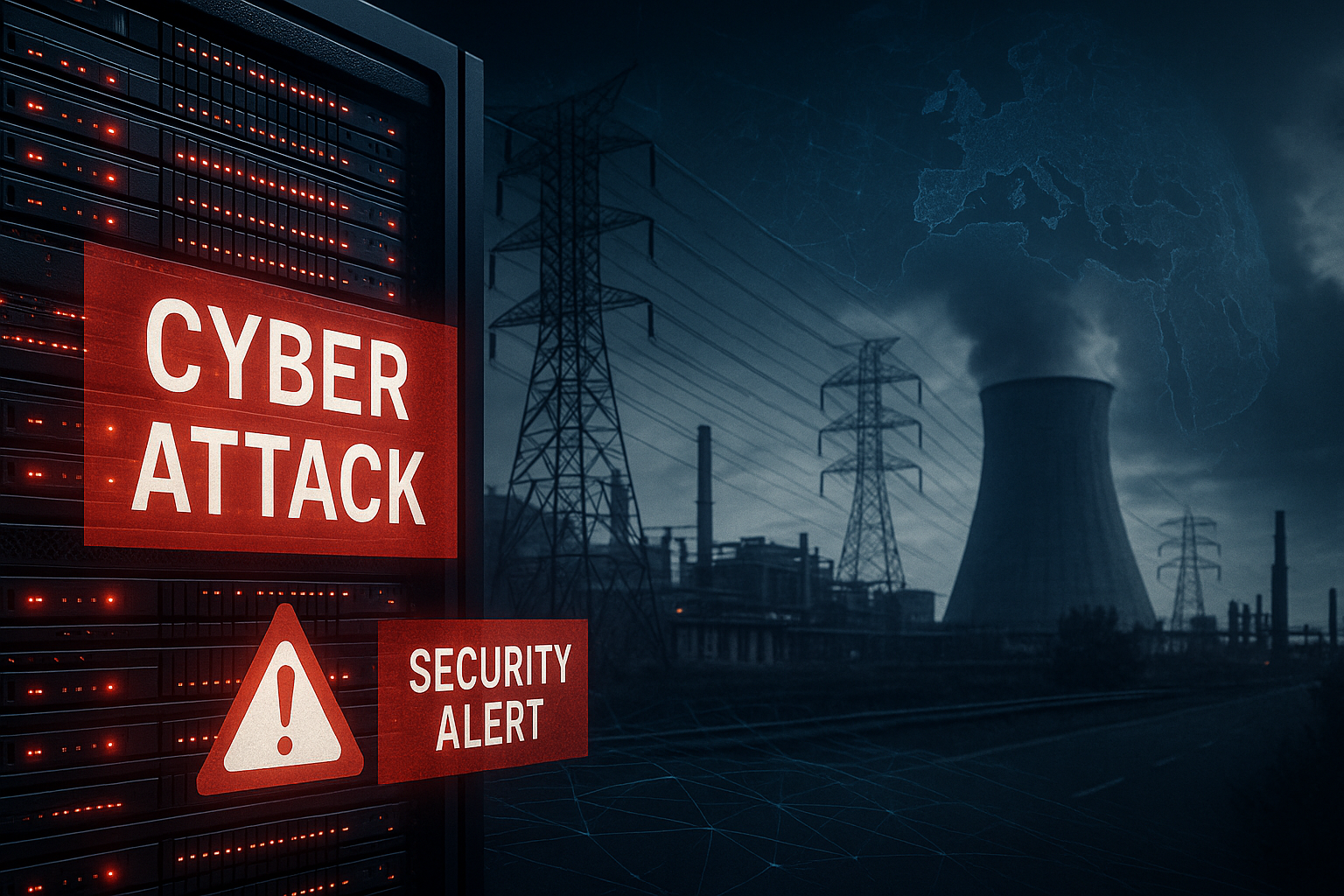

Understanding the Rising Threat of Cyber Attacks on Critical Infrastructure
In an era where dependence on digital systems continues to escalate, the vulnerability of critical infrastructure to cyber attacks has emerged as a pressing concern for governments and organizations alike. With power grids, water supply systems, transportation networks, and healthcare facilities becoming increasingly interconnected, a successful cyber assault on these essential services could yield catastrophic consequences. Recent high-profile incidents have brought the issue to the forefront, highlighting that the ramifications extend beyond data breaches to encompass public safety and national security.
The stakes have never been higher as hackers exploit vulnerabilities in outdated systems and leverage sophisticated techniques to breach defenses. Organizations must prioritize cybersecurity to protect vital services from potential disruptions. With increasing regulatory requirements and consumer expectations around data privacy and digital rights, the conversation surrounding cybersecurity has shifted dramatically. Companies must now navigate a complex landscape of technology threats, compliance challenges, and ethical responsibilities.
Recent Cyber Attacks: A Wake-Up Call for Critical Infrastructure
Notable Incidents in the Past Year
In 2021 and 2022, several high-profile cyber attacks underscored the vulnerabilities of critical infrastructure:
- Colonial Pipeline Attack: In May 2021, a ransomware attack crippled the Colonial Pipeline, which supplies nearly half of the fuel consumed on the U.S. East Coast. The attack forced the company to halt operations, resulting in widespread fuel shortages and price spikes across the region.
- JBS Foods Breach: Also in 2021, the world’s largest meat processing company, JBS, fell victim to a ransomware attack that disrupted operations in North America and Australia. The incident disrupted supply chains and raised concerns about food security.
- Water Treatment Facility Attack: A hacker gained unauthorized access to a water treatment facility in Florida in February 2021, attempting to increase the levels of sodium hydroxide in the water supply. Though the attack was detected and mitigated, it raised alarm bells about the safety of public water supplies.
These incidents exemplify the precarious state of critical infrastructure and serve as a reminder that cyber attacks can have wide-ranging effects beyond immediate financial losses. The potential for public panic, damage to reputation, and loss of trust among consumers is significant.
Exploiting Vulnerabilities: Methods and Motivations
The Tactics Used in Cyber Attacks
Cyber criminals employ a variety of tactics to exploit vulnerabilities in critical infrastructure. Understanding these methods can help organizations strengthen their defenses. Some common techniques include:
- Ransomware: This malware encrypts an organization’s data, rendering it inaccessible until a ransom is paid. Ransomware attacks have surged, particularly targeting operational technology (OT) systems.
- Phishing: Cyber criminals use deceptive emails or messages to trick users into revealing sensitive information or downloading malware. This tactic often serves as the entry point for more significant attacks.
- Supply Chain Attacks: By compromising third-party vendors, attackers can infiltrate larger systems. The SolarWinds breach, where attackers targeted IT management software, exemplifies the potential fallout from supply chain vulnerabilities.
- Denial of Service (DoS) Attacks: These attacks aim to overwhelm systems with traffic, disrupting operations. Critical services like emergency responders can be severely impacted by such disruptions.
Motivations Behind Attacks
The motivations for targeting critical infrastructure vary, but they often include:
- Financial Gain: Many attacks are fueled by the potential for lucrative ransoms or financial data theft.
- Political Statements: Hacktivist groups may target institutions to promote a political agenda or spark social change.
- Espionage: State-sponsored attacks aim to gather intelligence or undermine a nation’s governmental functions and economy.
The Impact of Cyber Attacks on Data Privacy and Compliance
Significant Risks to Data Privacy
The implications of cyber attacks extend to data privacy and consumer trust. When critical infrastructure is compromised, the personal data of millions can be at risk. Constituents expect their data to be protected, raising the stakes for organizations. The financial repercussions are accompanied by potential legal ramifications if companies fail to comply with data protection regulations.
Compliance Frameworks and Emerging Regulations
Governments worldwide are tightening regulations surrounding cybersecurity. Organizations must comply with frameworks such as:
- General Data Protection Regulation (GDPR): This European regulation mandates strict data protection measures and carries hefty penalties for non-compliance. Organizations must ensure the security of personal data to mitigate risks associated with breaches.
- The Cybersecurity Security Framework (CSF): Developed by the National Institute of Standards and Technology (NIST), CSF provides a flexible framework to help organizations manage cybersecurity risks effectively.
- Health Insurance Portability and Accountability Act (HIPAA): For healthcare organizations, HIPAA imposes stringent requirements on the safeguarding of patient information. Cyber attacks can lead to significant HIPAA violations and penalties.
With these evolving regulations, organizations must conduct regular risk assessments, develop incident response plans, and ensure employee training is up to date to remain compliant and protect sensitive information.
Expert Perspectives on Cybersecurity for Critical Infrastructure
Industry Insights into the Future of Cyber Defenses
Leading cybersecurity experts emphasize the necessity of adopting a proactive posture to cybersecurity. According to John McClurg, a veteran cybersecurity expert, organizations must foster a culture of cybersecurity awareness among employees.
“The human element is often the weakest link in security. Continuous training and a clear understanding of potential threats can reduce human errors that lead to breaches,” McClurg noted.
Investments in Technology: A Necessity
In addition to employee training, investment in cutting-edge technology is imperative. Solutions such as artificial intelligence (AI) in threat detection and response are becoming increasingly crucial. Organizations leveraging AI can identify anomalies and threats in real time, addressing vulnerabilities before they are exploited.
Collaboration and Information Sharing
Experts also advocate for increased collaboration between public and private sectors. Information sharing regarding threats and vulnerabilities can help organizations fortify defenses. The establishment of partnerships fosters an environment where organizations can work collectively to counter emerging threats.
Preparing for the Future: Mitigating Risks in Critical Infrastructure
Implementing Best Practices for Cyber Resilience
Organizations must adopt best practices to enhance resilience against cyber threats, including:
- Conduct Regular Security Audits: Identifying vulnerabilities proactively can aid in fortifying defenses and improving incident response strategies.
- Invest in Employee Training: Regularly updating employees on current threats and safe practices can significantly bolster the organization’s security landscape.
- Utilize Multi-Factor Authentication (MFA): Implementing MFA reduces the risk of unauthorized access significantly, safeguarding critical systems against breaches.
- Ensure Backups Are Up to Date: Regularly backing up critical data helps organizations recover quickly from ransomware attacks without yielding to ransom demands.
The Role of Encryption in Data Security
Encryption remains a foundational element of data security. By employing robust encryption protocols, organizations can protect sensitive information both in transit and at rest. Often considered a last line of defense, encryption serves as a safeguard in the event of a data breach.
Regulatory Compliance: Navigating the Landscape
As cyber threats to critical infrastructure grow, regulatory compliance will become increasingly complex and important. Organizations must stay informed about changes in legislation and how these developments affect data privacy protections, cybersecurity measures, and overall compliance requirements. Regular updates to compliance strategies will be essential to maintain operational integrity while minimizing risks.
With the gravity of cyber attacks on critical infrastructure amplified, understanding the intersection of cybersecurity, data privacy, and regulatory compliance is paramount. Organizations must proactively forge strategies that prioritize security measures to safeguard not only their operations but the well-being of the communities they serve.