
Understanding Privacy Compliance Audits
In today’s digital age, data privacy is more critical than ever. Companies across the globe are facing increasing scrutiny regarding how they collect, manage, and protect consumer data. With the rise of stringent regulations such as the General Data Protection Regulation (GDPR) in Europe and the California Consumer Privacy Act (CCPA) in the United States, organizations are prompted to reassess their data practices. This has led to a surge in the implementation of privacy compliance audits, a vital tool in ensuring organizations meet legal standards while fostering consumer trust.
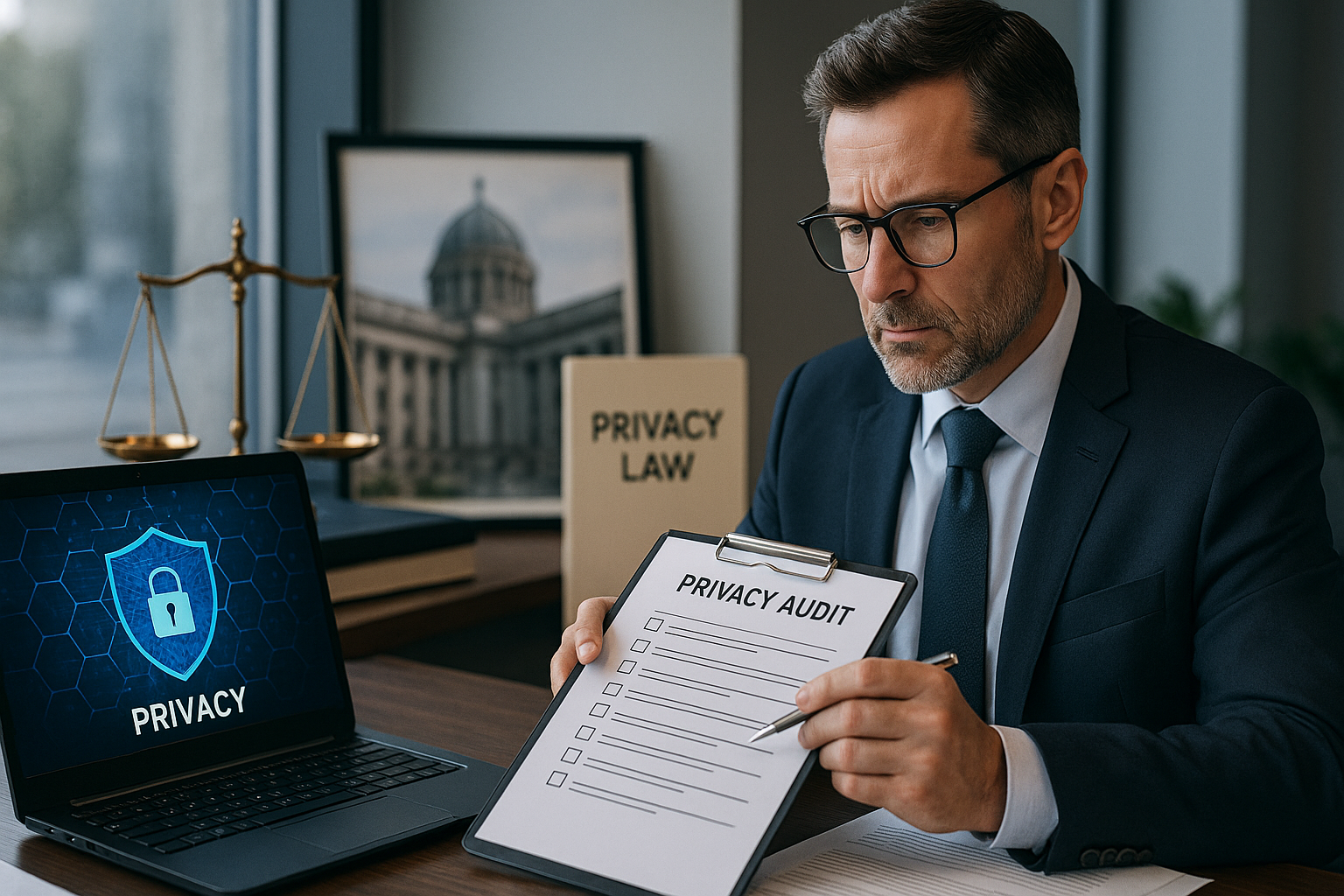
Privacy compliance audits serve as a comprehensive review of an organization’s data practices, processes, and policies. These audits are designed to ensure compliance with relevant laws and regulations while identifying potential risks associated with data handling. Conducting thorough privacy audits enables businesses to reduce vulnerabilities, enhance cybersecurity measures, and maintain robust consumer privacy protocols. As regulatory landscapes continue to evolve, understanding how these audits are conducted becomes essential for all entities managing sensitive data.
What is a Privacy Compliance Audit?
A privacy compliance audit is a systematic evaluation of an organization’s adherence to privacy regulations. It involves analyzing data collection, usage, storage, and sharing processes to ensure they align with the legal requirements set forth by various regulatory bodies. The audit aims to confirm that the organization has necessary safeguards in place and follows best practices to protect consumer data from misuse or breaches.
Types of Privacy Regulations Impacting Audits
- General Data Protection Regulation (GDPR): Enforced in the EU, this regulation imposes strict requirements on organizations regarding the processing of personal data.
- California Consumer Privacy Act (CCPA): This California law gives residents rights regarding their personal information and sets compliance standards for businesses operating in the state.
- Health Insurance Portability and Accountability Act (HIPAA): Applicable to healthcare organizations, HIPAA regulates the privacy and security of healthcare data.
- Children’s Online Privacy Protection Act (COPPA): This U.S. law imposes requirements on websites and services directed toward children under 13, ensuring the protection of their personal information.
Why Conduct a Privacy Compliance Audit?
Conducting privacy compliance audits is essential for several reasons:
- Regulatory Compliance: Regular audits help organizations stay compliant with evolving regulations, minimizing the risk of legal penalties.
- Risk Management: By identifying potential vulnerabilities, audits enable organizations to implement measures to reduce the risk of data breaches.
- Consumer Trust: Demonstrating a commitment to data privacy enhances brand reputation and builds consumer confidence.
- Operational Efficiency: Audits can uncover inefficiencies in data handling processes, allowing businesses to optimize their operations.
The Privacy Compliance Audit Process
1. Planning the Audit
Before an audit begins, it is crucial to establish its scope and objectives. During the planning phase, the following steps are typically undertaken:
- Define Objectives: Determine the focal areas of the audit, such as data encryption practices, third-party data sharing, or data retention policies.
- Assemble an Audit Team: Form a team with expertise in legal compliance, data security, and privacy. This may include internal staff and external consultants.
- Develop an Audit Schedule: Set a timeline for completing the audit, outlining key milestones and deliverables.
2. Conducting the Audit
Once the planning phase is complete, the audit team proceeds with the assessment, which involves:
- Document Review: Examining data handling policies, privacy notices, and consent forms to ensure compliance with laws like GDPR and CCPA.
- Data Mapping: Identifying what types of data are collected, where it is stored, how it is processed, and who has access to it.
- Interviews: Engaging with employees across departments to understand their roles in data management and privacy compliance.
- System Testing: Evaluating technical controls such as data encryption, access controls, and privacy settings to assess their effectiveness.
3. Analyzing Findings
Once the auditing activities are complete, the audit team compiles and analyzes the findings:
- Identify Gaps: Highlight areas where the organization falls short of compliance or best practices.
- Assess Risks: Evaluate the potential impact of identified compliance gaps, considering the likelihood of data breaches or legal repercussions.
- Benchmarking: Compare the organization’s practices against industry standards or similar organizations to understand compliance positioning.
4. Reporting and Recommendations
The audit team prepares a detailed report summarizing the findings. This report typically includes:
- Executive Summary: A high-level overview of the audit scope, methodology, and key findings.
- Detailed Findings: An in-depth analysis of compliance gaps, areas of risk, and system vulnerabilities.
- Recommendations: Clearly defined actions the organization should undertake to address identified issues and enhance compliance.
5. Implementing Changes
This stage involves putting the recommendations into action. It may include:
- Policy Updates: Revising existing data privacy policies to address gaps highlighted in the audit.
- Training Programs: Implementing new training for employees on data privacy practices and compliance requirements.
- Technical Enhancements: Adopting new technologies or systems to improve data protection and compliance.
Recent Developments Impacting Privacy Audits
The landscape of data privacy is dynamic, with ongoing regulatory developments shaping how organizations conduct privacy compliance audits:
- Increased Regulatory Scrutiny: Governments worldwide are tightening enforcement of existing laws and proposing new legislation, which amplifies the need for comprehensive audits.
- Data Breaches and Cybersecurity Threats: The rise in data breaches has prompted organizations to prioritize audits as a proactive strategy to safeguard sensitive consumer data.
- Consumer Awareness: As consumers become more aware of their digital rights, organizations face growing pressure to demonstrate their commitment to privacy through transparent practices.
Challenges and Potential Risks
Despite the importance of privacy compliance audits, organizations encounter various challenges:
- Complex Regulatory Environment: Navigating the various laws and regulations applicable across jurisdictions can be challenging for multinational organizations.
- Resource Constraints: Smaller businesses may lack the resources or expertise needed to conduct comprehensive audits, increasing their risk exposure.
- False Sense of Security: Organizations may become complacent after conducting audits, assuming they are fully compliant when gaps remain.
Expert Perspectives on Privacy Compliance Audits
Experts in the field emphasize the crucial role privacy compliance audits play in today’s data-driven world. According to Dr. Jane Smith, a leading consultant in data privacy, “Audits should be seen not only as a regulatory obligation but as an opportunity to foster a culture of privacy within organizations. They are essential for identifying vulnerabilities and promoting sustainable practices.” Similarly, cybersecurity strategist Mark Johnson notes, “The intersection of data privacy and cybersecurity is more prominent than ever. A thorough privacy audit can reveal significant insights that bolster an organization’s overall security posture.”
Key Takeaways for Businesses
Privacy compliance audits are essential for any organization handling personal data. They not only help companies comply with regulatory requirements but also enhance data protection strategies, promote consumer trust, and safeguard against potential risks. By understanding the audit process, organizations can better navigate the evolving regulatory environment and prioritize data privacy, ultimately transforming compliance into a strategic advantage.
As organizations continue to adapt to changing privacy laws and increasing consumer expectations, the role of privacy compliance audits will only grow in importance, shaping the future of data management and privacy protection across industries.