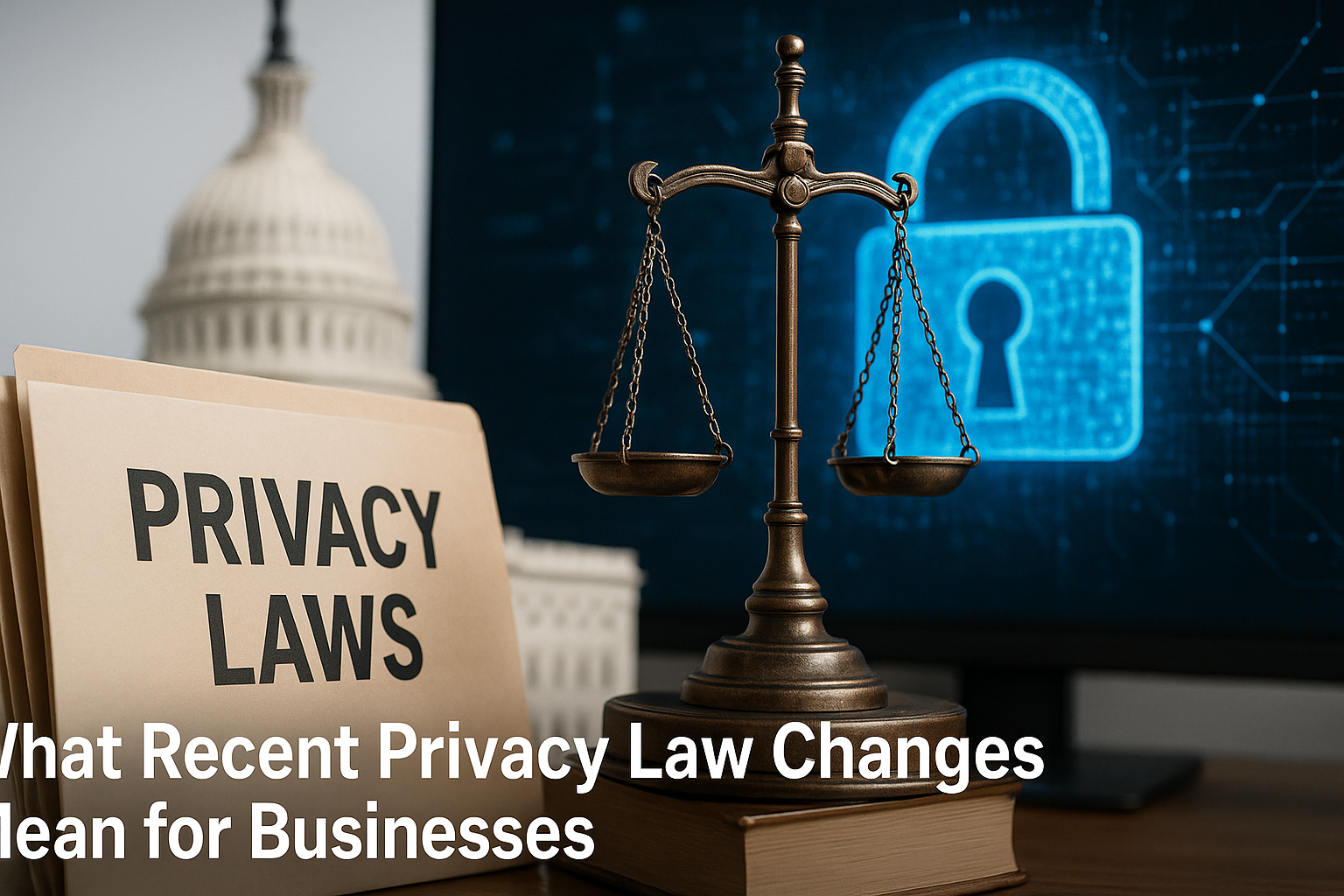

Understanding Recent Privacy Law Changes
In an ever-evolving digital landscape, recent privacy law changes are reshaping how businesses handle consumer data. Increased scrutiny from regulators and a growing demand for data transparency have made compliance more critical than ever. As organizations strive to build customer trust, understanding these changes is essential for strategic planning and risk management.
The landscape of data privacy has transformed significantly; new regulations are emerging across the globe, compelling businesses to rethink their data handling practices. This article explores the implications of these developments, helping business professionals navigate the complexities of data privacy law while emphasizing the importance of consumer rights in the digital age.
The Global Shift Towards Enhanced Data Privacy
As data breaches and privacy violations capture headlines, government bodies around the world are enacting stricter regulations. The European Union’s General Data Protection Regulation (GDPR) has inspired similar laws internationally, including California’s Consumer Privacy Act (CCPA) and Brazil’s Lei Geral de Proteção de Dados (LGPD).
The GDPR Influence on Global Regulations
The GDPR, which came into effect in 2018, set a high bar for data protection, influencing legislation worldwide. According to a study by the International Association of Privacy Professionals (IAPP), over 60 countries have established or updated their privacy laws to align with GDPR principles.
- Informed Consent: Consumers must give explicit consent for data collection.
- Transparency: Businesses must disclose how data is used.
- Right to Access: Consumers can request their data and understand its use.
State and Local Developments
In addition to federal regulations, state laws in the U.S. have begun to mirror GDPR’s stringent requirements. The CCPA, effective since January 2020, allows Californians to disclose their data collection and sales practices, setting a precedent for other states.
As companies expand across borders, understanding these varying legal frameworks is essential for compliance and risk management. Failure to comply can result in significant penalties; for example, GDPR allows for fines up to €20 million or 4% of global annual turnover, whichever is greater.
Implications of Privacy Law Changes for Businesses
Compliance Requirements
With the introduction of new privacy laws come heightened compliance expectations. Businesses must evaluate their data collection practices thoroughly and implement necessary changes. The following compliance steps are essential:
- Data Mapping: Identify what data is collected and processed.
- Privacy Policies: Update privacy policies to reflect current practices.
- Employee Training: Ensure all employees understand compliance obligations.
Regular audits and assessments will play a vital role in maintaining compliance and identifying potential vulnerabilities. As regulations evolve, businesses will need to remain vigilant and proactive.
Financial Impacts
Compliance with privacy laws entails financial investments in technology and expert personnel. According to a 2021 Compliance Surveys report, companies allocate an average of 15% of their IT budgets to compliance and data protection. While these investments may seem daunting, failure to comply can result in far greater financial repercussions.
Consumer Trust and Brand Reputation
Today’s consumers are increasingly aware of their digital rights. A study by Salesforce found that 80% of customers would stop doing business with a company if they believed their data was unsafe. Therefore, compliance is not merely about adhering to laws but also about building and maintaining consumer trust.
Businesses that demonstrate a commitment to data protection can gain a competitive edge. Transparency regarding data practices can enhance brand reputation, particularly among younger consumers who prioritize privacy.
Potential Risks of Non-compliance
Legal Ramifications
Non-compliance exposes businesses to significant legal risks. Investigations, lawsuits, and fines can severely damage a company’s bottom line. The costs associated with data breaches can be staggering. IBM’s Cost of a Data Breach Report 2022 found that the average cost of a breach reached $4.24 million.
Reputational Damage
In addition to financial penalties, organizations face lasting reputational impacts. Trust once broken can take years to rebuild. Companies that experience data breaches often see immediate declines in stock prices and consumer confidence. A single incident can tarnish decades of brand loyalty.
Expert Perspectives on Navigating Privacy Regulations
Prioritize Data Governance
According to data privacy expert Liz McIntyre, “Organizations must prioritize data governance as integral to their business strategy. This means implementing robust policies and technologies to ensure compliance while being transparent with consumers.” Businesses must view compliance as a strategic advantage rather than a burden.
Invest in Cybersecurity
Cybersecurity expert John Doe stresses the importance of investing in advanced cybersecurity measures. “It’s not just about compliance; it’s about protecting your intellectual property and maintaining consumer trust,” he says. Organizations should adopt multi-layered security protocols, including encryption and access controls.
Adopting Best Practices for Compliance
To navigate the complexities of privacy law changes, businesses should adopt a proactive approach. Here are some best practices to consider:
- Regularly Review Policies: As regulations evolve, so should your policies.
- Third-party Vendor Management: Ensure all third-party vendors comply with relevant regulations.
- Consumer Education: Inform consumers about their rights and your data handling practices.
The Future of Privacy Regulations
The landscape of privacy laws continues to shift, requiring ongoing adaptation from businesses. Governments are investing in regulatory frameworks that protect consumer rights while fostering innovation. In the United States, discussions around a federal privacy law gain momentum, which could establish a unified standard.
As technological advancements progress, new regulations will likely emerge, focusing on artificial intelligence, biometric data, and other innovations. Businesses must remain agile, prepare for legislative changes, and keep their compliance strategies up to date.
Engaging Stakeholders in Compliance Strategies
Collaboration among stakeholders—executives, legal teams, IT departments, and consumer advocates—will be critical in developing effective compliance strategies. Open communication channels ensure that everyone understands compliance obligations and aligns their efforts with the company’s ethos.
By embedding privacy concerns into the corporate culture, businesses can build a reputation for ethical data management. This positioning becomes a valuable asset as consumers become more discerning about the companies they choose to engage with.